

Blacksmithing lets you turn raw steel into something that’s not just practical, but also pretty personal. Whether you’re just getting the hang of things or already know your way around a forge, small projects are a great way to sharpen your skills and end up with something you can actually use or show off. There’s something really satisfying about making useful stuff with your own hands and seeing your skills slowly get better.
Looking through different project ideas, you’ll notice how ordinary tools and cool decor can come from just a bit of scrap metal. Every project is a chance to practice hammering, shaping, and finishing, and you actually get to keep or gift the stuff you make. Mixing usefulness with creativity keeps things interesting, meaning you never really get bored.
1) Hand Forged Bottle Opener

Honestly, bottle openers are a classic starter project. They’re small, handy, and you can finish one pretty quickly. You pick up basic hammer control and shaping skills without biting off more than you can chew.
Grab some mild or carbon steel, heat it up, and start shaping. You’ll draw out the handle, punch or drift the opener hole, and refine the edges to smooth things out.
By the end, you’ve got something you’ll actually use (or gift, or sell), and you’ve practiced techniques you’ll need for more complicated stuff down the line. Pretty good deal for a first project.
2) Decorative Fireplace Tools Set

Making a fireplace tool set is a solid way to mix practicality with a bit of flair. Usually you’ll make a poker, shovel, tongs, and a stand to keep everything together. Forging clean lines and matching shapes across the set is a good challenge.
Adding twists, scrolls, or textured handles gives each tool a personal touch. Even just curving a hook or hammering a unique finish can make a difference.
Working on a whole set means you get better at making things match – proportions, finishes, the whole deal. Plus, you get a set of tools you’ll actually use.
3) Custom Iron Coat Hooks

Iron coat hooks are a go-to for beginners. They don’t need much steel, and you’ll practice tapering, bending, and getting the hammering just right.
You can keep them plain or dress them up with a twist in the shank, a flattened mounting plate, or a little decorative detail.
They’re actually useful, too. Hang coats, bags, or whatever else. Honestly, you’ll probably end up making a bunch for around the house or shop.
4) Forged Garden Trowel

A garden trowel is a fun one. You just need a hammer, anvil, and a forge. The main thing here is shaping a flat blade and keeping it a consistent thickness. It’s a practical tool you’ll actually want to use outside.
Draw out the metal for the blade, then form the tang for the handle. You can add a wooden handle later for comfort. The end result is a sturdy, reliable hand tool.
Making a trowel is good practice for accuracy and control – tapering, flattening, shaping curves, all that, and you end up with something you’ll probably use every spring.
5) Handmade Iron Candle Holders

Candle holders are a nice way to play with curves and twists in hot metal. Even a basic design will teach you a lot about hammering and bending.
Try starting with some angle iron or flat bar, forge a base, then a stem to hold the candle. Adding a drip tray or little dish makes it more functional.
Mess around with finishes; brushed steel, beeswax, blackened iron. Small tweaks can give each piece its own vibe, and you don’t need to overthink it.
6) Forged Steel Letter Opener
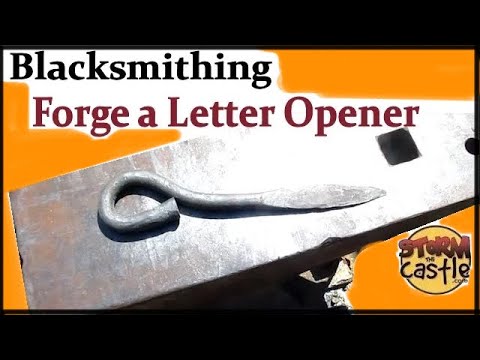
Letter openers are a fun excuse to make a mini blade without needing a bunch of fancy tools. Grab some rebar or a railroad spike and get to work.
Heat the steel, hammer it flat, and taper one end to a point. Smooth the edges so it’s comfy to hold.
Add a twist to the handle or a subtle curve if you want to spice it up. When you’re finished, you’ve got a handy little blade that’s also a pretty cool gift.
7) Decorative Wall-mounted Key Rack

Forging a key rack for the wall is a neat way to combine utility with a bit of flair. A flat bar base with hooks does the trick, but you can go wild with curves, twists, or stamped textures for extra style.
Shape the hooks from square or round stock for strength. If you want, add decorative bits like leaves, scrolls, or flowers to make it pop.
Stick it on a wood backing or mount it straight to the wall – whatever you like. You get to practice making clean lines and matching shapes, and you’ll actually use it.
8) Blacksmith-made Branding Iron

Branding irons are a quirky project that’s easier than it looks. Start with a steel rod, heat it up, and bend it into whatever initials or symbol you want.
Once you’ve got the shape, attach a handle that’s long enough to keep your hands safe from the heat. A wooden grip or wrapped steel works for comfort.
It makes a personalized gift that shows off your metalwork skills.
9) Forged Iron Door Knocker

Door knockers are a fun way to show off your ability to control the hammer. The basic idea is to make a ring or bar that swings against a back plate.
Start with the ring or handle, then shape the back plate. You can keep it simple or add some texture or curves if you’re feeling creative.
Putting it all together is usually just a matter of rivets or some sneaky welding from the back. Add a little standoff so nobody pinches their fingers when using it.
10) Handcrafted Iron S-Hooks

S-hooks are basically the bread and butter for beginners. You don’t need fancy tools, just some basic gear. You’ll get the hang of tapering, bending, and smoothing out your hammer marks.
They’re surprisingly handy. Hang pots, tools, plants, you’ll find a use for them in no time.
Working on these helps you nail down consistent curves. You’ll see how even tiny changes in your hammering can totally change the shape.
11) Forged Iron Bookends

Bookends are another practical and straightforward project. You don’t need much material, and you can keep the lines clean or throw in some decorative twists if you want.
Focus on weight and balance so they actually hold books up. A flat base with a vertical piece usually works just fine.
Add texture, scrolls, or stamped designs to give them a bit of personality. You get to practice both the functional and decorative side of forging, and you’ll probably want to make a few sets.
12) Iron Picture Frame Stand

Forging a picture frame is a cool way to make something that’s both useful and decorative. Go with a basic square or rectangle, then add a twist or curl at the corners for some extra flair.
Use flat bar stock for the main frame and maybe round stock for accent pieces. Weld or rivet the corners to keep everything together and let those handmade details show.
A hammered texture makes the frame stand out. You can go simple and clean, or add scrolls and punched designs if you’re in the mood for something fancier.
13) Handmade Iron Plant Hanger

Making a handmade iron plant hanger actually isn’t as complicated as it sounds. Grab a flat bar or some square stock, heat it up, and draw out a hook for the plant to hang from. Toss in a scroll or a twist if you’re feeling a bit fancy, but you don’t have to go wild with the details.
When it comes to mounting, just punch or drill a couple of holes in a backplate and either rivet or weld the arm on. The big thing is making sure it’s strong enough to hold the plant—nobody wants a hanger that gives up halfway through the season.
It’s a fun project for beginners. You learn how to taper, bend, and finish metal, and you actually get something useful out of it. Not a bad way to spend an afternoon, honestly.
14) Forged Steel Cooking Utensils

Making your own cooking tools like spatulas, ladles, or skewers is a pretty straightforward way to get some forging practice. You’ll work with flat stock, draw out handles, and maybe add a little flair if you’re in the mood.
Mild steel is the way to go here, especially for utensils that won’t be dealing with acidic foods. Keep things practical, you want handles that feel good and tools that are easy to clean.
A twist in the handle or a loop for hanging just makes them feel more personal. Doesn’t take much extra effort, but it really does make the finished piece more satisfying to use.
15) Decorative Iron Trivets

Trivets are one of those practical projects where you can show off a bit. They keep hot pans off the table, but they’re also a great excuse to mess around with scrolls, twists, and clean welds.
A basic round or square frame sets you up. After that, you can get creative, curved bars, leaf shapes, geometric patterns, whatever you’re into. Adding little feet on the bottom keeps it steady and lets air circulate.
They don’t need a lot of material, so you can experiment with different styles without breaking the bank. Plus, they make pretty solid gifts if you’re looking to impress someone with your skills.
16) Blacksmith-made Fireplace Poker

Starting with a straight steel rod, you’ll taper one end to a point for poking the fire. The other end gets a handle, which can be as simple or as fancy as you want – maybe a twist for better grip.
If you want to get creative, add a decorative touch like a curled finial or a basket handle. It’s a good way to practice bending, twisting, and scrolling without a lot of pressure.
Fireplace pokers are tough, useful, and honestly, they’re one of the more satisfying beginner-friendly projects out there. You’ll get a feel for high carbon steel and start nailing your hammer control.
17) Forged Iron Wine Rack

Forging a wine rack is a solid way to practice clean bends and keep your design balanced. Flat bar or round stock keeps the process simple, so you’re not fighting the metal the whole time.
Shape the frame first, then add holders for standard bottles. Try to keep your welds or rivets tidy since they’ll be out in the open.
A forged rack looks good in the kitchen or makes a cool gift. You’ll get some practice with symmetry, spacing, and finishing touches like brushing or putting on a protective wax.
18) Hand Forged Hammer

Making your own hammer is pretty satisfying since you’ll actually use it on future projects. Start with a chunk of steel, punch out the eye for the handle, and shape the head to the weight and feel you like best.
Attach a wooden handle that feels good in your hand. Sand it down, oil it up, and you’ve got something that’ll last for ages and won’t slip around while you’re working.
You’ll pick up striking, drifting, and finishing skills, and you end up with a functional tool that’s unique to you. It’s honestly a pretty big confidence boost at the forge.
19) Forged Iron Jewelry Stand

Why not try making a jewelry stand that’s actually sturdy and practical? All you really need is a simple base, a vertical post, and a couple of cross arms – suddenly, you’ve got a spot for necklaces, bracelets, even rings.
If you’re feeling a bit creative, you can add some twists or little scrolls to give it your own vibe. It’s not one of those projects that demands expert skills, but you’ll definitely get some practice with shaping and balancing metal.
Scrap steel works just fine here, so you won’t have to spend much. Plus, it’s a compact piece, which is handy if your forge setup doesn’t give you a ton of room to spread out.