
Forging small projects is a fantastic way to get hands-on with metalwork, even if you don’t have a big workshop or piles of material lying around. There’s something about shaping metal into useful or just plain cool objects that really helps you learn how heat, hammering, and shaping all play together. It’s the kind of hands-on practice that builds real skill and, honestly, a bit of confidence for taking on bigger, more ambitious stuff later on.
When you’re working on small projects (think hooks, bottle openers, or keychains) you’re forced to pay attention to the details. Precision and control matter here. You’ll notice how different tools or even just a slightly hotter fire can totally change your results. And let’s be real: it’s nice to have something practical (or giftable) at the end instead of just a pile of scrap.
1) S-Hooks

If you’re just dipping your toes into blacksmithing, S-hooks are a classic starting point. They’re quick, useful, and a great way to get a feel for hammer control. You’ll end up with something handy for hanging up tools, pots, or whatever else you’ve got cluttering up your space.
Grab a short bit of mild steel, heat it up, and taper the ends. Then, just bend each end in opposite directions to get that S shape.
Try to keep the curves smooth and those ends rounded off, as it makes the whole thing look a lot nicer. Once it’s cooled, brushing or oiling it gives a simple finish that actually looks pretty sharp.
2) Bottle Openers

Bottle openers are just plain fun to make. With a scrap of steel and a couple of basic tools, you can bang one out in no time. It’s a small project that lets you try out shaping, twisting, and punching without burning through your material stash.
Start by drawing out one end for the handle, then form a loop or hook for the opener part. Keep it straightforward at first, but once you get the hang of it, try adding some texture or a twist.
They make solid gifts and are easy to personalize. Plus, you’ll use them (or at least, someone will), so it’s not just practice for practice’s sake.
3) Keychains
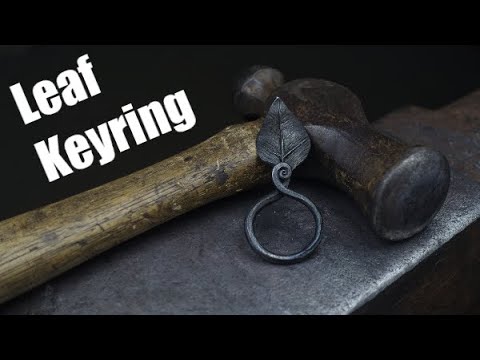
Keychains are one of those projects you can knock out pretty quickly, but they still show off what you’ve learned. Bits of mild steel or leftover rod are perfect, and you can shape them into loops, spirals, or even little charms.
Try your hand at a leaf or twist pattern to mix things up. It’s a good excuse to practice tapering, flattening, and messing with textures.
Because they’re so small, you can crank out a bunch in one go – great for gifts, little sales, or just experimenting with new finishes.
4) Hooks for Hanging

Simple forged hooks are a go-to for practicing tapering and bending. All you really need is a hammer, anvil, and something to heat the steel.
Start with mild steel, point the end, and curve it around a horn or bending fork. Make them small for keys or utensils, or go bigger for coats and tools.
A quick twist or decorative curl on the end gives your hook a bit of flair. People actually buy these online, so there’s definitely a demand for well-made, unique hooks.
5) Small Decorative Nails

Making little decorative nails from mild steel is oddly satisfying. They look great on boxes, frames, or as furniture accents. Plus, they’re quick to make and a solid way to practice shaping and tapering.
Try adding a twist or texture to the shank before you form the head. That tiny detail gives the nail some character.
If you’re making a set, try to keep the sizes pretty close, as matching heads and lengths just look better.
6) Letter Openers

Letter openers are a fun little project. Grab a small piece of steel or even some rebar, heat it up, and hammer it flat to shape the blade.
Once you’ve got the blade, taper one end to a point and smooth the edges with a file. You can keep the handle simple or throw in a twist for looks and grip.
Sand it down and oil it to keep rust away. It’s quick, but you’ll definitely use those skills on bigger pieces later.
7) Simple Fire Poker

A fire poker is about as straightforward as it gets. All you need is a steel rod, some heat, and a hammer. It’s a quick way to work on tapering and making clean points, and you’ll end up with something you can actually use by the fireplace.
Heat one end, draw it to a point, and bend or hook the other end for a grip. Twist the handle or keep it plain, it’s up to you. Hit it with a wire brush and a little oil and you’re done.
8) Garden Markers
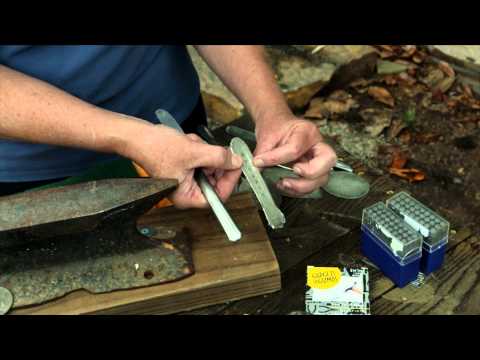
Garden markers are a neat way to use up small, flat scraps. Just stamp the plant names in with a punch, and shape the end to a point so they’ll go into the dirt easily.
Try curling the tops or rounding the edges if you want them to look a bit fancier. A quick polish or clear coat keeps them from rusting in the garden.
They’re practical, add some handmade charm, and are perfect for practicing with a hammer and punch.
9) Small Pendants

Small pendants are perfect if you want to try making jewelry or just want to experiment with finishes. You can use steel, copper, or silver, so there’s room to play without wasting much material.
Shape or stamp the blank with hand tools – a hammer, chisel, or punch does the trick. Heat-treating or polishing can give you a shiny or rustic finish, depending on your mood.
10) Mini Tongs
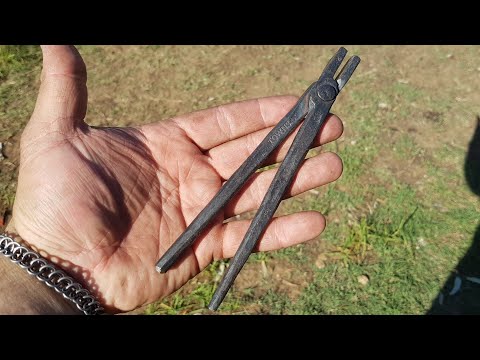
Making a small pair of tongs is a clever way to handle lightweight metal bits without cluttering up your workspace. They’re surprisingly useful for grabbing nails, hooks, or small blades while you’re busy hammering or twisting.
Grab some mild steel flat bar and shape the jaws to fit whatever size stock you usually work with. Short reins are best, they save material and honestly just feel easier to handle.
You’ll get a chance to practice drawing out tapers and lining up pivot holes. By the end, you’ve got a compact tool that slips right into your kit, ready for all sorts of little jobs.
11) Napkin Rings

Forging napkin rings is a quick, practical project that really helps you get a feel for working with small stock. Using round or square bar, you can play around with different textures and finishes, and you won’t need much material at all.
Try shaping the metal into a simple loop. Maybe add a twist or hammer in some texture if you’re feeling adventurous. Stamping initials or patterns gives it a personal touch, which is always nice.
They’re a hit at craft fairs and make for easy gifts. Plus, making a batch is good practice for keeping your shaping and finishing consistent.
12) Small Candle Holders
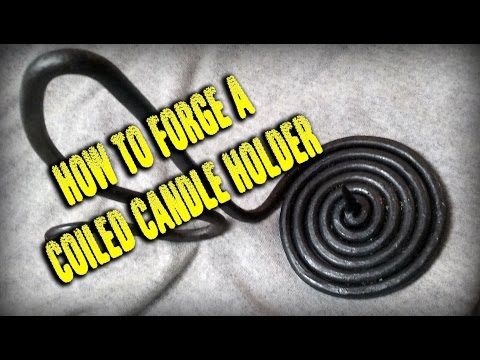
Small candle holders are a fun project you can pull off with just a short piece of steel or iron and some basic tools. Heat the metal up, shape a flat base, and pull up a short stem to hold a taper or tea light. It’s worth making sure the base is balanced so it doesn’t wobble.
Give the stem a twist or curl the base for a little extra flair. If you like things rustic, leave the surface rough, or brush it up and oil it for a cleaner look. These are quick to make and honestly, they’re great as gifts or just to display.
13) Leaf-shaped Hooks

Hooks are a classic, plus, they’re a good way to practice basic blacksmithing skills. Grab a short piece of round or square bar, heat it, and draw out one end into a taper. Flatten that tip to form the leaf, then use a chisel or cross-peen to add veins.
Once you’re happy with the leaf, bend the other end into a hook. A little scroll or twist at the end looks sharp. These are handy for hanging tools, coats, or kitchen stuff, and you get to experiment with shaping and texturing metal.
14) Wall-mounted Coat Hooks

Forging wall-mounted coat hooks is pretty straightforward. Just mild steel, a hammer, anvil, and forge. Heat up the bar, taper an end, and curl it into a hook before flattening the other end for mounting.
Try out different bends or twists, sd sometimes even a small change makes each hook feel unique.
Mount them on a wooden board or straight onto the wall. They’re practical for coats, bags, or towels and add a bit of handmade charm to your space.
15) Bookmark Blanks

Metal bookmarks are a quick, super easy and satisfying project. All you need is a strip of mild steel or brass, and shaping it doesn’t take long. Just make sure the surface is smooth so it slides between pages without snagging.
Add a twist or stamp in a pattern if you feel like dressing it up. Punch a hole at one end and tie on a tassel or leather cord for a bit of personality, or twist the top to hook onto your book pages.
They’re easy to customize, light, and make great gifts or little things to sell. Plus, it’s a good excuse to practice clean hammer work and finishing.
16) Small Spilt Cross
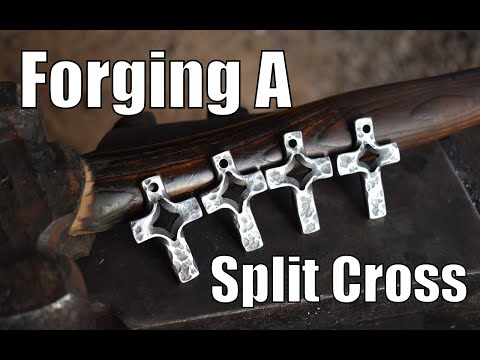
Try this Simple Split Cross project – perfect for beginners! Made with just a few basic tools, this design features a clean, elegant cross shape with a split center that adds depth and dimension.
It’s easy to make, meaningful, and a great way to practice basic smithing or crafting skills while creating a timeless decorative piece.