

Working with rebar is a bit of a rite of passage for a lot of metalworkers – it’s tough, cheap, and surprisingly forgiving when you’re just starting out or looking to experiment. You can take scrap rebar and turn it into functional tools or quirky metal art that actually adds some personality to your shop or backyard. Rebar’s kind of a classic starting point for building up your skills and getting comfortable at the forge.
Below, you’ll find twenty approachable projects that showcase what’s possible with just a handful of tools and some heat. There’s a mix of practical shop stuff and decorative pieces for your home or garden. If you work through them in order, you’ll probably notice your hammer control and confidence improving along the way.
1) Forging a Rebar Knife
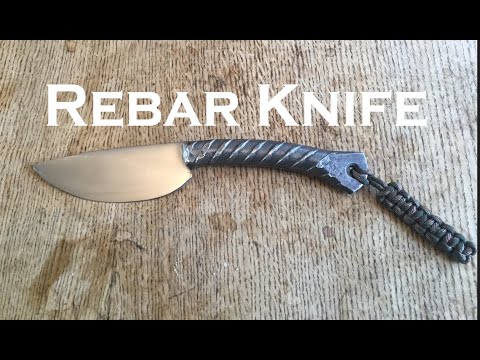
Grab a chunk of rebar, heat one end until it’s glowing, and start hammering it flat to rough out your blade. Don’t rush, keep it hot and work slowly so it doesn’t crack on you.
After you’ve got a blade shape, hammer and maybe twist the other end for a handle that fits your grip. Is it going to slice like a pro chef’s knife? Not really, as rebar’s not high-carbon steel, but it’s a great way to get the hang of shaping and managing heat.
Finish up with some grinding, hardening, and a bit of tempering. Even a simple rebar knife looks cool on your bench and will handle basic tasks.
2) Making Blacksmithing Tongs from Rebar
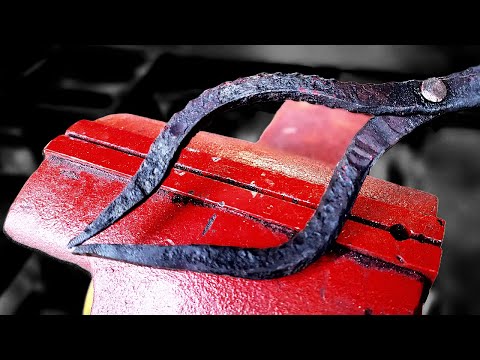
With a couple lengths of rebar and some patience, you can forge yourself a solid pair of tongs. Heat both pieces up until they’re bright orange, then flatten one end of each to make the jaws.
Shape the other ends into handles, and then punch or drill holes for the rivet that’ll hold them together. Once they’re joined, tweak the jaws so they grip evenly. They might look a little rough, but honestly, they’ll get the job done for most small forging tasks.
3) Crafting a Rebar Fork
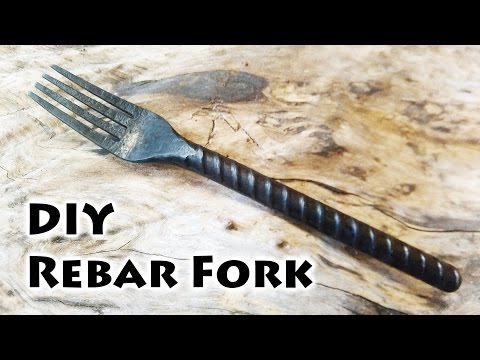
Heat up one end of a ½-inch rebar until you see that bright orange glow. Hammer it flat on your anvil until it’s about as wide as your hammer face, just try to keep the edges lined up, but don’t sweat it if it’s not perfect.
Mark and cut out the tines with a chisel or hacksaw, then reheat and spread them with your hammer to get that classic fork shape. Straighten the handle while it’s still warm.
File or grind the rough edges. You can leave it textured for a rustic vibe or polish it up if you want something a bit fancier.
4) Creating Rebar Garden Sculptures
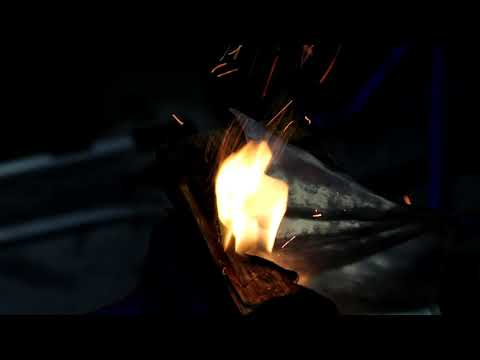
Plain steel rebar is actually great for garden sculptures. Grab a welder, grinder, and something to bend with, and you’re in business. The strength means you can go big, and it’ll survive outside with no problem.
Start with smaller pieces (spirals, abstract shapes, or just plant supports) before you jump into bigger designs. It’s a good way to get a feel for bending and welding without biting off more than you can chew.
Letting the steel rust a bit gives it a natural, weathered look that fits right in with stone paths or greenery.
5) Rebar Fire Poker
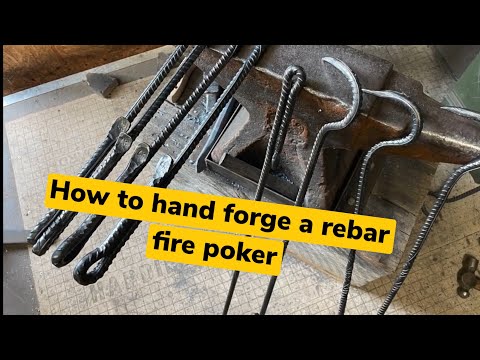
Forge your own Rebar Fire Poker for a durable, rustic tool that’s perfect for the fire pit or wood stove. Start with a length of rebar, heat and bend one end into a hook or point, and add a handle grip using wood, paracord, or heat-resistant tape.
Sturdy, simple, and built to last, this project is great for beginners in metalworking or anyone who loves practical, handmade tools for outdoor fires.
6) Forging Rebar Bottle Openers
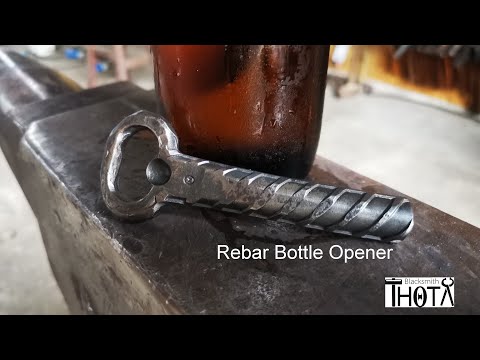
A short piece of rebar, a forge, and a little time is all you need for a bottle opener. Heat it up, flatten one end for the opener, and shape a small notch to catch the cap.
While it’s still hot, twist the handle for a better grip and a bit of style. Quench it when you’re happy with the shape.
A quick wire brush or polish, and you’ve got a tough opener that shows off your forging chops.
7) Constructing Rebar Hooks

Forging handy hooks out of rebar is about as classic as it gets. Heat one end, hammer it into a curve or spiral, whatever suits your needs. Shepherd’s hooks, S-hooks, wall hangers… they all start the same way.
Once you’ve got the shape, brush off the scale and smooth any sharp spots. The rough rebar texture looks good if you’re into the rugged look, but you can always polish them up. These are super useful for hanging tools, lanterns, or garden gear.
8) Designing Rebar Light Holders

Turn a piece of rebar into a candle or tea light holder with just a few tools. Heat it up, then twist or flatten parts to make a stable base and a simple cup for the candle.
Try bending the stem into a gentle curve or coil for a little extra flair. Spiral or snake shapes look cool and aren’t too hard to pull off.
Leave the surface brushed or lightly polished to highlight the rebar’s natural texture. A bit of oil or wax will help keep rust away and keep it looking sharp.
9) Forging Rebar Daggers
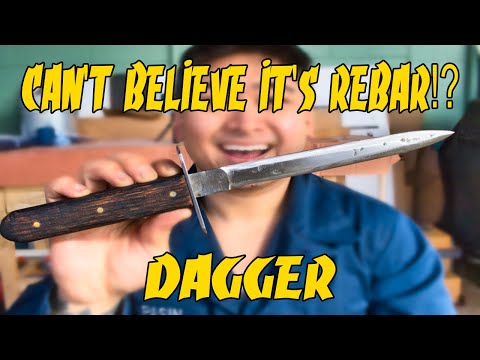
A chunk of rebar can become a practice dagger with some heat and persistence. The rough texture makes for a grippy handle, and you won’t feel bad experimenting since rebar is so easy to come by.
Heat it up, draw out the blade, and keep the tang short and thick to avoid weak spots.
After forging, grind and polish the blade, then quench with care to avoid cracks. It’s a solid way to practice shaping and tempering without burning through expensive steel.
10) Traditional Rebar Hand Sickle

Craft a sturdy, functional Traditional Rebar Hand Sickle using simple materials and techniques. Start with a piece of rebar, heat and hammer it into a curved blade shape, then sharpen the edge for cutting. Add a wooden or wrapped handle for a comfortable grip.
This project combines traditional craftsmanship with durable materials, perfect for gardening, harvesting, or as a rustic handmade tool display.
11) Making Rebar Keychains
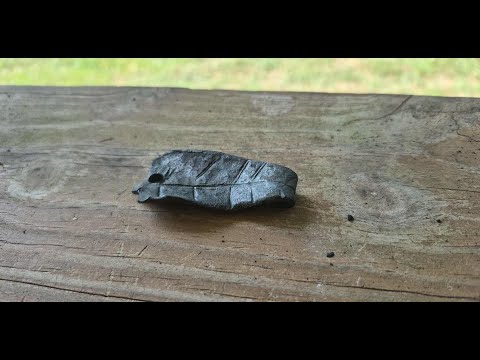
Short scraps of rebar make surprisingly good keychains. Cut a small piece, heat it up, and hammer into a compact, chunky shape. A twist or bit of texture gives it some personality.
Smooth the edges, drill a hole for the keyring, and quench it. Polish until it feels nice in your hand. It’s sturdy, practical, and honestly kind of fun to make.
It’s a simple way to practice finishing and use up leftover bits from other projects.
12) Crafting Rebar Skewers
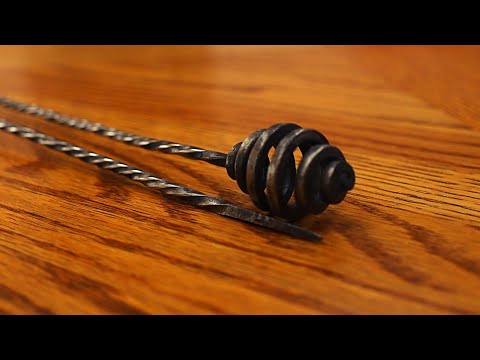
Ever thought about using scrap rebar for cooking skewers? It’s actually pretty straightforward. Just cut the steel to whatever length you like, then heat up one end and hammer it to a point. While it’s still hot, straighten the bar out, makes grilling a whole lot easier.
When it cools off, take a wire brush or grinder to knock off any scale and rough bits. Some folks like twisting the handle for grip or adding a loop so you can hang it up, totally up to you. Wipe on a little food-safe oil at the end to keep rust away and the steel looking sharp.
13) Spoon Forged From Rebar

Create a unique, handcrafted Spoon Forged from Rebar using basic blacksmithing techniques. Heat one end of the rebar until it’s workable, then flatten and shape it into a spoon bowl, refining the edges with a hammer and anvil.
Form the handle to your desired length and finish, then polish or oil it for a rustic, durable look. A great project for beginners learning to shape and form metal while crafting something both functional and artistic.
14) Making Rebar Door Knockers
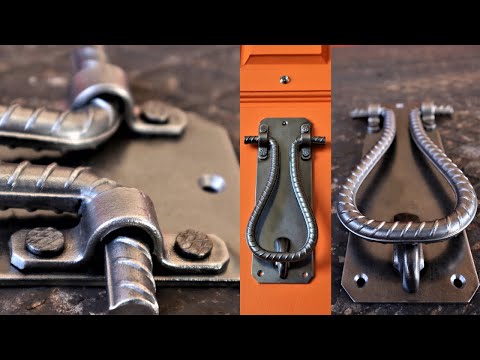
Scrap rebar isn’t just junk, it can make a solid door knocker with just a handful of tools. Cut and bend the bar into a handle shape, then weld or bolt it onto a steel plate. A small bit of flat bar works well for the striking surface.
Give the rebar a good cleaning before you start. If you want smoother bends, heat it up, but if you’re into a rougher, industrial vibe, cold bending works too.
After it’s shaped, brush, polish, or paint it, whatever looks good to you. A clear coat helps keep rust away and leaves the steel looking fresh.
15) Forging Rebar Letter Openers
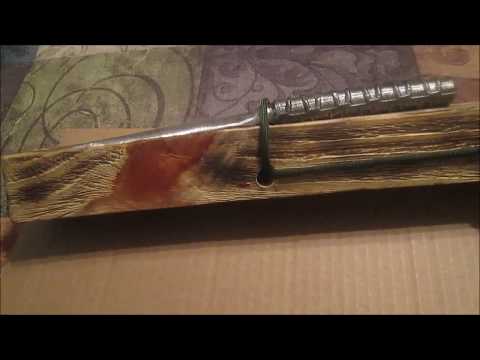
A short length of rebar is just right for a simple letter opener. You’ll need a forge, hammer, and anvil, but the project stays small and manageable – great for practicing basic shaping and tapering.
Heat the rebar until it’s glowing orange, then flatten one end into a blade shape. Leave the other end round for a comfy grip, or twist it if you want a little flair.
Quench the blade, then file and sand the edges until they’re smooth. Sure, rebar doesn’t harden much, but it still makes a surprisingly sturdy little tool.
16) Forged Rebar Snail
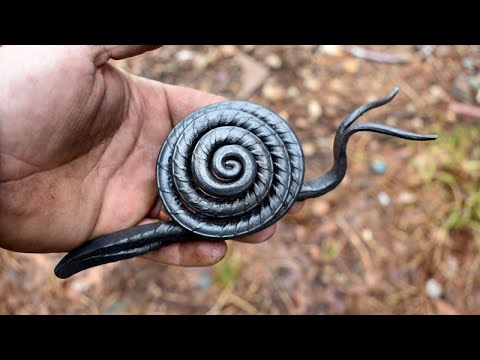
Turn scrap metal into art with this Decorative Snail Forged from Rebar project! Heat a short piece of rebar, then hammer and curl one end into a spiral shell shape while tapering the other into the snail’s body and head.
Add texture or small details for character, then brush or oil the finished piece for a rustic shine. It’s a fun, creative blacksmithing project that’s perfect for beginners looking to practice shaping and scrolling techniques.