

How to Seal Wood Coasters [Techniques, Benefits & Sealant Options]

Coasters are some of the most simple and functional objects to make. Beginner woodworkers can craft their own set of coasters with scrap wood and a few foundational tools.
More experienced craftspeople can make and sell coaster sets from high-quality wood using advanced techniques.
Wood coasters are high-use items that will experience a good deal of wear and tear with regular use. To ensure your set of coasters remains beautiful for years to come, you need to know the proper finishing techniques and what products to use.
With so many staining and finishing products available, it can be difficult to determine which options are best for coasters and other heavy-use items.
Below, we’ll check out a few options for finishing and sealing your coasters depending on the type of wood used and your desired amount of protection.
Staining Wood Coasters
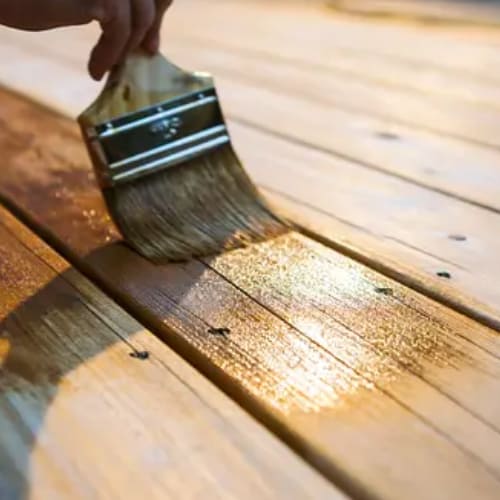
The first thing to consider before sealing your wood coasters is whether you want to apply a wood stain. If you like the look of the wood as is, simply leave it alone and proceed to sealing. you can also wipe on a natural oil like tung oil or linseed oil with a soft cloth. This will help the grain of the wood to pop and will enhance the natural color.
If you decide to apply a stain, apply according to the instructions on the container. You can choose between oil and water based stains, but keep in mind that the finishing product formulation will have to match your stain in order to get the right results.
The following video covers some helpful tips and considerations when staining wood. We’ve summarized the main points here.

To Stain or Not to Stain
Most woods do not need to be stained. Hardwoods like cherry, maple, walnut, and oak have beautiful natural tones that get richer with age. Most woodworkers choose to leave the color natural and simply apply a top coat.
While this is true of many woodworkers, feel free to stain any wood you want if that is what you prefer.
Pine is one wood that is often stained due to its very light natural appearance. If you do choose to stain pine or another species of wood, consider purchasing a stain that is close in tone to the wood’s natural color.
When in doubt, remember that stains are usually meant to look as natural as possible. Select a subtle color or forgo staining altogether.
How to Apply Stain Properly
If you do choose to apply a stain, it is important to complete the process properly. Improperly applied stain can look blotchy and unnatural.
Before applying any products to the wood’s surface, sand away any imperfections. Start with a very gritty sandpaper and work down to a 220 grit. Besides smoothing the wood’s surface, sanding also helps open pores in the wood. This allows stain to penetrate the wood deeply and evenly.
The next step is to apply a wood conditioner. This product helps prevent a patchy look. Wipe the wood conditioner on with a rag and wipe off any excess product.
Apply your stain before the wood conditioner sets completely. Use a rag, foam brush, or paper towel. For a small item like a coaster, a paper towel works just fine.
Stir the stain and apply a thin coat. Wipe away excess stain to prevent blotches. The stain with soak into the wood after 20-30 minutes.
If desired, you can apply a second coat. This will darken the stain slightly. Make sure to wipe away excess stain again.
Make sure to choose a stain you really like, as stain cannot be sanded off the way paint can.
Sealing Wood Coasters

Once you have stained the coasters or applied another product of your choice, it is time to apply a finishing top coat to seal the wood. Proper finishing will keep the coasters water-resistant and looking nice for years to come. Because coasters are so heavily used, it is important to use a finishing product.
Most wood projects will benefit from a finishing product, so make sure to read on to learn about which top coat is right for your projects.
You have two major options for finishing: polyurethane and polycrylic. The video below does a nice job of explaining the difference between these two products, and we will summarize it here.

Polyurethane
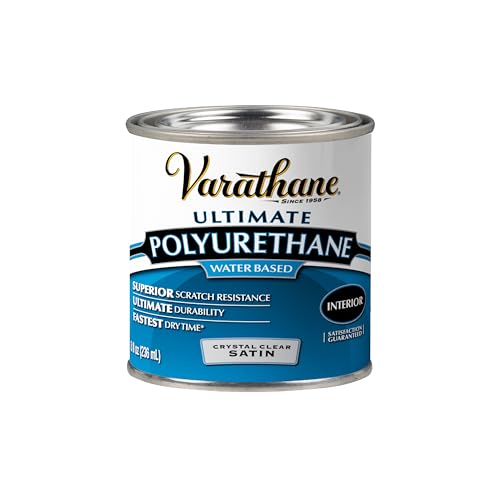
- Protects indoor wood surfaces such as furniture, windows, cabinets, trim and more
- Water based formula dries fast and cleans up with soap and water
- Dries to the touch in 30 minutes with coverage up to 31.25 sq. ft., recoat after 2 hours

Polyurethane is an oil based finishing product with a warm tone. Because of this warmer appearance, polyurethane is best used over stained or colored wood. If your coasters are white or lighter in tone, consider polycrylic.
A major pro of polyurethane for coasters is that it is more durable than polycrylic finishes and great for heavily used items. It is also perfect for raw lumber, as it provides solid protection.
How to Apply Polyurethane
Apply polyurethane to your coasters using a brush or foam roller. Build thin layers of product on top of each other for best results.
Polycrylic
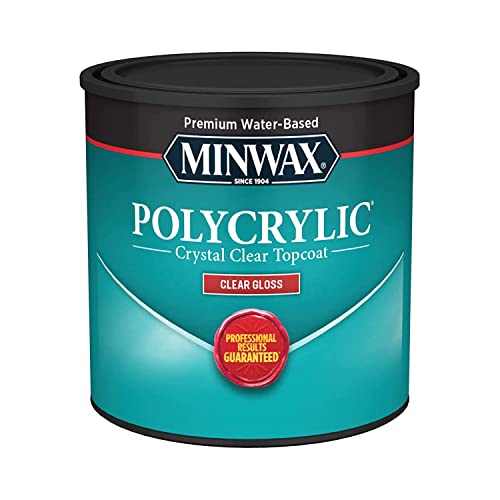
- PROTECT WOOD SURFACES – Minwax Polycrylic Protective Finish protects and adds beauty to your...
- CRYSTAL CLEAR FINISH THAT LASTS – The crystal clear finished offered in this protective coating is...
- GLOSS SHEEN – Give your wood projects a sleek finish with this gloss clear varnish. It not only...
Polycrylic is another great option for sealing coasters. This product is water based and has a milky finish that is ideal for white surfaces and lighter colored woods. If you want to avoid making your coasters warmer in tone, polycrylic is a great neutral choice.
A pro of polycrylic is that it is super easy to clean up. Because it is water based, you can clean up any spills easily with soap and water. While polycrylic is not as durable as polyurethane, it will still do a great job of protecting your coasters.
How to Apply Polycrylic
Apply polycrylic to your coasters using a brush or foam roller. You will need to apply more coats of polycrylic to achieve a good finish. 5-6 coats are perfect for most projects.
Because polycrylic dries a lot faster than polyurethane, this process will take about the same amount of time.
What a great little site! I’m definitely finding the information helpful. I hope you’ll continue with it!
Is polyurethane heat proof for wooden coasters?
yes, the polyurethane makes the finish more water, scratch, heat, and solvent resistant than other types of varnish. I’d recommend an oil-based polyurethane finish if you want the best protection against moisture and durability. It is the easiest finish to apply using a brush due to its slow drying nature you will have plenty of time to brush it out the slow drying does make the finish more prone to getting dust settling on it as it’s drying so it’s best to have a clean area. With little objects like kid toys and costers etc.
I used a polycrylic on some wood coasters that I stenciled with chalk paint botanical. I have put 2 coats on so far. I did not stain the wood prior to painting. I thought they were already stained. I guess not. The issue I’m having is the I’m getting little wood slivers popping up. The coasters were very smooth initially. I think maybe sanding would help but then I would sand off the painted design. Any recommendations?
Since Polycrylic is water based it will “raise the grain”. This is the roughness you feel. Most times simply take some stiff paper such as a brown paper bag, crumple it up and run the surface aggressively a few seconds. This will knock off the tiny fibers that stick up and smooth the surface. Be sure the finish has completely dried before doing this. Hope this helps.
The video recommends using a foam roller for applying the polycrylic, but I also see that polycrylic comes in a spray can. How can I use the best type of application for my project?
I want to make some large (12-16″ diameter) ash “hot pads” to use on the dining table but want to make sure they are protected from the heat from hot dishes. What do you recommend?