

How to Become a Glass Blower (Apprenticeships, Education & Prospects)
Glass blowing is an ancient glass forming technique that involves inflating glass into a bubble, which is then manipulated into a variety of objects such as art pieces, drinkware, and glass containers. Glass blowing continues to be an important form of art and is vital in the making of glassware used in a variety of industries, such as the laboratory sciences.
A career in glass blowing can be quite fulfilling for creative people who are not afraid of working with hot and potentially dangerous materials and forming them into beautiful and functional items.
What Do Professional Glass Blowers Do? (Summary)
Glass blowing is a meticulous process that takes many years to master. Glass blowers take on a variety of tasks in their day to day work and use unique equipment to perform their work safely and effectively.
Duties of a Professional Glass Blower

Glassblowers perform a variety of tasks in their day to day routines, such as:
- Designing and sketching
- Heating and shaping glass
- Using colors and decorative techniques
- Administrative and marketing tasks if self-employed, such as responding to emails, phone calls, website creation and maintenance, and social media outreach
- Completing continuing education classes to hone skills
- Teaching classes and providing demonstrations if passionate about education
Glass Blowing Equipment Required for the Job
Glass blowers use many tools and larger pieces of equipment such as:
- Furnaces
- Blowpipe- shapes the glass into a bubble
- Bench- a place for a glassblower to sit while shaping the glass and a place to set tools
- Punty- the rod used for shaping and transferring a piece off a blowpipe
- Blocks, jacks, and paddles- used for shaping
- Straight shears- make a linear cut in glass
- Diamond shears- cut off larger masses of glass

What Items Do Glass Blowers Make?
Glass blowers make decorative art pieces, architectural glass, scientific glassware and glassware used in the home.
Education Paths for Glass Blowing – Where to Begin?
Unlike other art careers, glass blowers typically require a level of traditional training to perform their work safely and gain the experience necessary for creating beautiful, well-made items. Self-teaching can be dangerous due to the high degree of heat involved in the glass blowing process.
Becoming proficient at glass blowing also takes a lot of time, so having professional guidance and a team to help you in your learning is highly beneficial. Below are three education paths commonly taken by aspiring glass blowers.
1) Glass Blowing Classes

Most glass blowers are introduced to the craft through classes hosted by local glass studios. Classes offer hands-on instruction in the safe handling of glass and various techniques. Master glass blowers usually host classes in their own studios, ensuring that students learn from the best of the best in the industry.
Classes range in length and cost, so make sure to research which classes work best for your schedule and budget. Glass blowing classes are offered in major cities and smaller towns across the US and countries worldwide, but they are especially popular in the UK.
London Glassblowing, a studio owned by artist Peter Layton, offers “Experience Days” where students spend an entire day learning how to blow glass and get to make three pieces themselves. This event costs £500 and sells out fast, but it is an unparalleled opportunity to learn at one of the most respected glass blowing studios in the UK.
Another UK-based studio called Salt Glass Studios has a variety of courses for glassblowing students of all levels. Beginner glass blowers would find their Glass Blowing Introduction Course useful, as it includes techniques in gathering, shaping, and applying color to glass. Salt’s courses range in price from £20 to £240, so they are a more accessible option for beginner glassblowers who want a shorter, more affordable class option.
2) Glass Blowing College Courses

Although rare, there are some community colleges and other two-year institutions that offer programs and degrees in glassblowing. These programs provide a well-rounded education on the various methods of glassblowing, as well as the history of the craft and career preparation. Students also gain access to different exhibition opportunities to show off their work and network with other artisans in the field of glass blowing.
Two schools in the US that offer glass blowing programs are Kirkwood Community College in Iowa and Salem Community College in New Jersey. Check out their websites to learn more about what a glass blowing program offers and research schools in your area to see if there is a program near you.
As glass continues to grow in popularity as an artist medium, certain four-year colleges and universities in the United States have begun offering undergraduate and graduate programs in glass blowing. The College for Creative Studies in Detroit, MI is the only college in the state to offer this unique opportunity.
Four-year programs typically teach much more than just blowing glass. Students study many art forms and experiment with various mediums to enhance their design skills.
3) Glass Blowing Apprenticeships

After gaining experience through a traditional college program or series of courses, you may want to consider applying for an apprenticeship with a professional glass blower. Apprenticeships allow you to learn the trade in a real-world environment with a seasoned professional. Modern apprenticeships in glass blowing are relatively uncommon, but are invaluable to serious glass blowing students who want to work in a studio or run their own business.
One amazing apprenticeship opportunity in the US is with Ryan Staub, a glass blower based in Seattle. He offers part-time and full-time apprenticeships for those with a few years of experience. There are similar apprenticeship programs available with professional glass blowers throughout the US, which you can research online, and for those located in the UK, check out gov.uk for open apprenticeships in your area.
Additional Skills & Requirements of Glass Blowers

Due to the nature of their work, glass blowers must be comfortable in hot and potentially dangerous work environments. Glass blowers pay close attention to safety and use common sense at all times when working with hot glass. They also usually work independently or with a small team, so you must be okay with working alone or in a small group.
Glass blowers have a great amount of patience and attention to detail to work with glass and create unique, intricate works of art and functional glassware. Because glass blowing is a three-dimensional art form, glass blowers must have good visualization and design skills and should be knowledgeable about form and color.
A well rounded art background and a propensity for working with your hands are traits that will help you succeed at this craft. For those interested in running their own business, administrative skills and knowledge of social media and marketing are vital for success.
Where Would You Work As A Glassblower?

Glass blowers work in studios, small factories, museums and universities. Those who are self-employed or working for a small business work in studios individually or in small groups. Glass blowing companies employ a larger amount of artisans in small factory settings, where glass blowers work in teams.
Many art museums employ glass workers to put on demonstrations throughout the day for visitors. Other glass blowers find work for scientific companies or in universities making laboratory glassware.
What is A Glass Blowers Salary?
While the Bureau of Labor Statistics in the US does not have an exact salary range for glass blowers, in general, glass manufacturers earn between $30,000 and $39,000 annually if employed at a company or studio. Self-employed glassworkers in the US can make more or less than this median range.
In the UK, glass blowers make between £16,000 and £25,000 if working for a small studio, and more than £35,000 if employed at a larger company. Like American glass blowers, artisans in the UK can make a more varied annual salary if self-employed or working as a freelancer.
Many glass blowers supplement their income by teaching classes or working on other art projects in their spare time. Glass blowers can work full or part time depending on their employer. Self-employed glass blowers might work more to sustain their business or have a more varied schedule filled with work, teaching, and administrative tasks.
What Are the Career Prospects for Glass Blowing?
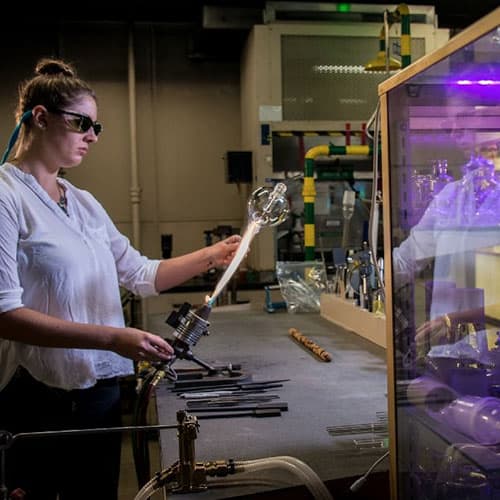
While the number of glass blowers entering the workforce is projected to decline over the next decade, the art form is still a great career choice for creative people who do not want a traditional desk job and who want more autonomy in the workplace.
In the UK in particular, glass blowing remains extremely popular, with many studios and museums dotting the city of London alone. Glass blowing takes a lot of work and self-motivation, but if you are determined to succeed in this industry, you definitely can.
One way to boost your chances of success as an independent glass blower is to offer classes, workshops, and demonstrations for the public. Because glass blowing is a fascinating art form for many people, you are sure to draw in interested people who want to learn more about the craft.
There is a lot to consider if you do want to offer educational programming at your studio. You will need to invest in good insurance, more tools for students to use, and other learning materials as needed. Coming up with coursework and project ideas that are suitable for beginners will be another challenge.
Despite the cost and planning upfront, offering classes and demonstrations is a great way to connect with others and bring more people into your studio. It is a great marketing strategy because people who take a class will definitely tell friends and family and news of your business will spread through word of mouth.
Many glass blowers display their work in galleries that students can peruse after classes. Chances are they will want to purchase something made by their teacher!
Preparing for a Career in Glass Blowing (Things You Can Do Right Now!)
If glass blowing is something you are interested in pursuing as future career, there are some actionable steps you can take towards your goal by jumping in and learning as much as you can about the trade beforehand. Some ideas on how to get started are below:
1) Books, Videos & Exhibits
One of the best ways to motivate yourself and learn about glass blowing even before you start your official education track is to read about and watch the glass blowing process. Find books at the library, amazon.com, or a local bookstore and learn as much as you can. A great starter book for beginners is Beginning Glassblowing by Edward T. Schmid.
Another awesome resource at your disposal is YouTube. There are thousands of videos showing techniques, the overall process, and history of the craft that will get you inspired and excited to start learning hands-on.
Finally, check out glass museums, art shows, and exhibits in your area. Most cities have at least a few each year, and this can be a great way to see the sorts of items artists are making and speaking with professionals in the field.
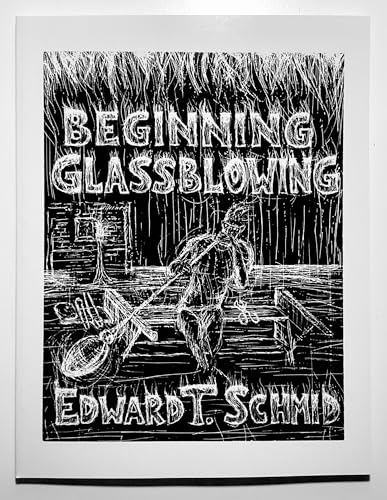
- Used Book in Good Condition
2) Local Classes
If you think glass blowing might be a good career fit for you but you are not sure whether to invest too much in your education right away, taking individual classes in your free time is a great way to learn about glass blowing without committing yourself to the craft straight away.
Because formal education in a college setting is rare for glass blowers, taking as many classes as you can is one of the best ways to educate yourself for your future employment, and being self-motivated is a great characteristic to showcase when looking for a job or apprenticeship in glass blowing.
Are You Ready to Become a Glass Blower?
Glass blowing is a great career choice for artists interested in challenging, intricate work. Although glass blowers enjoy less job security than workers in other fields, they are able to be creative and active at work and carry on the traditions of artists before them.
This is a great article on becoming a glassblower. I would love to point out that there are additional career opportunities in blown glass in the lighting industry. Specifically, there’s a lighting manufacturer in Utah, Hammerton, that employs a dozen or more glassblowers and has an apprenticeship program to help train them up as well. More specific details can be found by exploring their careers page.
Hi! I was just wondering which lighting manufacturer you were discussing (and was it Hammerton Studio?) I am interested in furthering my glass career and was also wondering whether such a place would hire someone who is partially amateur and new (1.5 years experience)
Hello I’m just starting out what would you recommend for a basic tool kit I don’t know how to make too many items right now but I aspire to learn more.. also do you know what college in New Mexico or Colorado offers glass blowing classes…? Much thanks and stay creative