

Bricks aren’t just for walls and patios! Honestly, they’re more versatile than most people think. With some leftover or unused bricks, you can pull together projects that add both function and a bit of personality to your home or garden. It’s kind of wild how a pile of bricks can turn into something you’ll actually use every day.
No need to be a pro here. Whether you’re after an outdoor cooking spot or just want to add a quirky touch somewhere, these ideas are pretty straightforward and make use of stuff you probably already have. Some are more about looks, some are practical, and a bunch land somewhere in between.
1) Brick Fire Pit

A brick fire pit is one of those backyard projects that just makes sense. No fancy skills or equipment needed, just stack standard bricks (grab ’em from any home improvement store) into a round or square shape.
You’ll want heat-resistant bricks for this, so it doesn’t fall apart after a few uses. Dry stacking is fine if you want to keep things temporary, but mortar will give you something sturdier.
Keep the pit on the smaller side so it doesn’t take over your yard. A simple circle with a gravel base works well and doesn’t require much planning.
2) Garden Pathway with Bricks

Making a garden pathway with bricks is easier than it sounds. Lay them right on leveled dirt or a sand base and you’ve got a solid walkway connecting different parts of your yard.
You can go with a straight path for a sharp look, or curve the bricks for something a bit softer. Both styles work, and you can tweak the width however you like.
Reclaimed bricks look cool and usually cost less. With a little work, you’ll have a path that blends in and holds up over time.
3) Brick Planter Boxes

Building a brick planter box is pretty straightforward – just bricks, mortar, and a bit of your time. It’s a sturdy spot for flowers, herbs, or veggies, and doesn’t take up much room.
New bricks can be a bit pricey (think $15–$30 per square foot), but you can usually find old ones for cheap or even free if you ask around or check local ads.
Don’t forget a layer of gravel or sand at the bottom for drainage. That way, water won’t get stuck and your plants will be a lot happier.
4) Outdoor Pizza Oven

Putting together a simple outdoor pizza oven with bricks and concrete pavers is totally doable. A solid base is key, as you don’t want your oven shifting when it heats up. Fire bricks are best for the hot parts since they can handle serious temps.
Once you’ve got your base, stack the bricks into a dome or box shape. Some folks use an exercise ball or a mound of sand to shape the dome, then remove it after the bricks set. A little chimney or vent helps smoke escape and keeps the fire going strong.
Costs can be all over the place, but lots of people keep it affordable with some creativity. Some finish in a weekend, others take their time. Either way, you’ll end up with a sweet spot for wood-fired pizza at home.
5) Brick BBQ Grill

Building a brick BBQ grill is one of those projects that sounds complicated but really isn’t. Fire bricks are best for the cooking area, as they won’t crack under the heat.
Just pick a flat, level spot and lay down a concrete or packed base. Once that’s set, stack and mortar your bricks to form the grill walls.
Leave some space or add metal supports for the grill rack. That way, you can adjust the height and clean up without much hassle. It’s a no-nonsense backyard upgrade.
6) Brick Garden Edging

Brick edging is a super easy way to tidy up garden beds and keep things looking sharp. Lay the bricks flat, stand them up, or tilt them at an angle, whatever fits your vibe.
Maybe you want straight lines, maybe you’re into curves. Reclaimed bricks are great if you like that weathered look and don’t want to break the bank.
Just dig a shallow trench and pop the bricks in. For extra staying power, add a bit of sand or mortar so they don’t wander off.
7) Rustic Brick Wall Accent
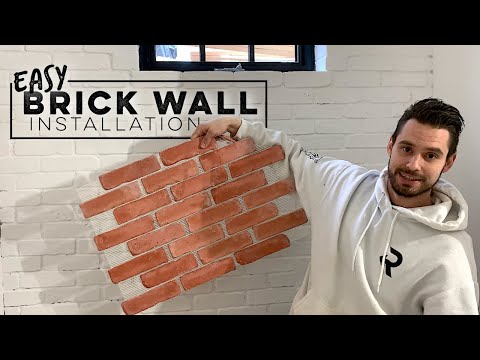
A rustic brick accent wall can totally change the feel of a room. The texture and color just add something special, whether you’re going for a modern or more classic look.
You can use real brick or thin veneer; veneer is lighter and easier to work with, but full brick gives you that real-deal feel.
Pick your spot carefully. Living rooms, kitchens, or even bedrooms can all pull off the exposed brick look if you want a bit more depth and interest.
8) Brick Bookends

Plain old bricks make surprisingly good bookends, and you barely have to do anything. A solid brick is heavy enough to keep books upright, no problem.
Just clean them up, splash on some paint, or add a stencil if you’re feeling artsy. Some people like to make them look like oversized books.
If you want a sleeker finish, grab some spray paint and stick felt pads on the bottom so your shelves don’t get scratched up.
9) Brick Birdbath

Stack some leftover bricks into a pedestal, pop a big shallow bowl on top, and you’ve got a birdbath. Seriously, it’s that simple.
Dry stacking works if you want to move it around later, or use mortar if you’re looking for something more permanent. Not a lot of materials needed here.
A ceramic or metal dish on top makes cleaning up easy, just swap it out or give it a rinse when it gets dirty.
10) Brick Candle Holders

Leftover bricks make awesome candle holders, and you barely have to lift a finger. A lot of bricks already have holes that fit tea lights or small candles perfectly. Clean ’em up, drop in a candle, and you’re all set.
Some people leave the bricks as is, others sand or paint them for a tidier look. Stack a few for a rustic centerpiece if you feel like it.
Want more variety? Stick a succulent in one of the extra holes, and now you’ve got greenery and candlelight all in one.
11) Brick Mailbox Post

Swap out a basic mailbox for one set on a brick post, it just looks better and lasts way longer. Start with a concrete base so it stays put.
Use concrete blocks for the core, then cover with bricks for strength and a nice finish. Try to keep the mortar joints even as you go.
Topping it off with a simple cap or stone gives it a polished look. Matching the brick to your house or walkway ties everything together.
12) Brick Herb Garden

Old bricks and some dirt are all you need for a quick herb garden. A spiral shape is popular since it creates different drainage levels; herbs like rosemary do better up top where it’s drier.
Stack the bricks into a spiral or circle, then fill with a soil and compost mix. Pack it in so the structure holds together. The bricks soak up warmth, which helps your herbs grow faster.
This works even in small yards or tight corners. Grow stuff like basil, thyme, parsley, and sage right outside your kitchen door.
13) Brick Steps

Brick steps are a solid way to make an entryway that lasts. Figure out your total rise and width so you know how many bricks you’ll need. Keeping each riser between 6 and 7.5 inches usually feels right.
Lay a concrete base first, then set each brick with mortar. Double-check that each step is level before moving on. Getting the foundation right makes the rest of it way easier.
Using reclaimed bricks can save some cash and give your steps a cool, weathered look. Sealing the finished steps helps them shrug off water and last longer.
14) Brick Patio Flooring

Laying brick pavers right on top of a compacted gravel and sand base is a pretty straightforward way to get a solid patio floor. The end result is tough enough for plenty of foot traffic and has that classic look.
If you’re into a more rustic vibe, reclaimed bricks can be great, though you might have to fuss with leveling them out a bit more. Still, the character they add is worth it.
To keep things from shifting around, just sweep sand into the joints. Every now and then, a quick sweep and a little extra sand will keep everything tidy and in place.
15) Brick Sidewalk

A brick sidewalk adds a neat, lasting path through your yard or garden. Whether you use new bricks or ones you’ve salvaged, both do the job and don’t break the bank.
Mark out your path with stakes or string, then dig a shallow trench. Gravel goes down first for drainage, followed by a layer of sand. Level it out before laying the bricks.
After the bricks are in, sweep sand into the gaps to keep them from moving around. This extra step really helps keep the walkway solid.
16) Brick Retaining Wall
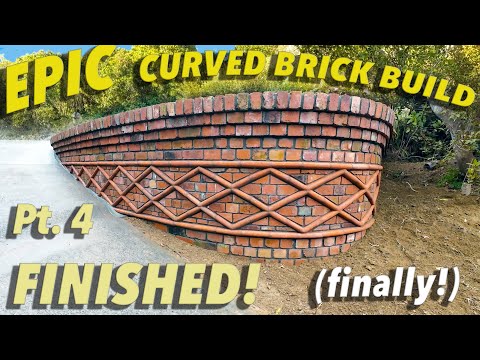
Got some leftover bricks? They’re perfect for a small retaining wall to help keep soil from washing away. Handy for garden beds or sloped spots that need a little extra support.
Figure out how long and tall you want the wall, and dig a shallow trench for the first row. A level base is key so the wall doesn’t start to lean or shift.
Stack the bricks as neatly as you can, and cap the top with a flat row for a more finished look. Mortar between the layers will make it even sturdier, especially if you want it to last.
17) Brick Garden Bench

Making a garden bench out of bricks and a wooden plank is surprisingly easy and doesn’t require fancy tools. The bricks form the base, and the plank is your seat – simple as that!
Just stack the bricks evenly on each side so it doesn’t wobble. You can play with the height by adding or removing layers before setting the plank on top.
Want it to stay put? Mortar works, especially if you’re expecting it to get heavy use or if it needs to handle different weather.
18) Brick Table Base
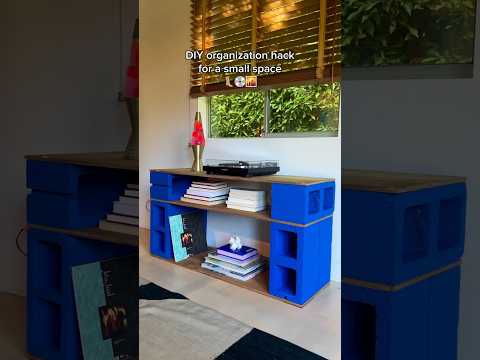
Building a table base out of regular bricks is a no-nonsense way to get something sturdy. Just stack them up in columns, as their weight does most of the work.
Throw a wooden or stone slab on top to finish it off. You can always swap out the tabletop later if you feel like changing things up.
Adjusting the height is as easy as adding or removing a layer of bricks. Pretty flexible, honestly.
19) Brick Flower Bed Borders

Lining your garden beds with bricks gives them a crisp edge and keeps things tidy between the soil and grass. One row is usually enough if you just want a quick fix.
If you’re after a taller border, stack two or three layers and use mortar for extra hold, especially good for raised beds. A level base helps everything last.
Curves are totally doable; just stagger the bricks a bit. Mixing up brick colors can make things more interesting if you’re into that.
20) Brick Outdoor Fireplace

A brick outdoor fireplace is a bigger project, but it really sticks around once you’ve finished. It does take some planning, and is definitely more than a basic fire pit.
You’ll want a solid base, usually poured concrete, to handle the weight. If you skip this, the fireplace could shift or crack down the road.
There are kits out there that make things easier, with pre-shaped fireboxes and chimney parts. You just add the bricks as a veneer, so you don’t need to be a pro mason.
Keep the look simple or add a chimney cap for better smoke control; either way, you end up with a great spot for cooking or hanging out outside.
21) Brick Doorstep

A brick doorstep gives your entry a solid, classic look. You can go with fresh bricks or use the old, weathered kind for more character.
Clear the area and make sure everything’s level before you start. A layer of compacted gravel underneath helps with drainage and keeps things steady.
Lay the bricks in a running bond or stack pattern, then tap them into place with a rubber mallet. Fill the gaps with sand or mortar, depending on how long you want it to last.
22) Brick Raised Garden Beds

Building a raised bed out of bricks is a solid choice if you want something that doesn’t need much maintenance. Bricks won’t rot like wood and handle the weather just fine.
You get to pick the size and height. Stack them higher for deep-rooted stuff, or keep it low for herbs and flowers.
Reclaimed bricks work just as well as new ones, so you don’t have to spend a ton to get a sturdy, tidy garden bed.
23) Brick Compost Bin

A compost bin made from leftover bricks, cinder blocks, or stones is easy to put together. The solid walls keep your pile in place and let air flow through the gaps.
Pick a level spot and mark out the size. One bay is usually enough, but you can always make it bigger if you need more space.
Lay down the first row of bricks on the ground or a simple concrete base. Stack them in a staggered pattern for strength, and leave the front a bit lower so it’s easier to get to the compost.
24) Brick Water Feature

Leftover bricks can be turned into a simple water feature that brings a bit of movement and sound to your garden. You’ll just need a small pump, a basin, and a stack of bricks to make it work.
Stack the bricks around a container to hide the pump and build a solid frame. Keep it low and compact if you’d rather not fuss with maintenance.
Reclaimed bricks give a weathered, lived-in feel, while new ones look crisp. Either way, you end up with something that fits right in with your outdoor space.
25) Brick Bench with Cushions

A brick bench is super easy! Just stack two sturdy supports and lay a wooden plank across. The bricks keep the whole thing grounded, and the plank is your seat.
Pop a cushion on top for extra comfort, especially if you plan to hang out for a while. Outdoor fabric is a good idea so it doesn’t get ruined by the weather.
This bench works just about anywhere, including garden, patio, or backyard. You can tweak the size by changing the brick stack or using a longer plank.
26) Brick Plant Stands

Stacking bricks with wooden planks is a quick way to make a plant stand. The bricks act as legs, and the boards give you shelves. Works indoors or out.
Try two bricks per “leg” and lay a board across. Add another layer if you want it taller. The bricks are heavy enough that you don’t need to bother with nails or screws.
Got leftover retaining wall bricks? They’re just as good. You can stain or paint the shelves to match your space, or just keep it simple and let the materials show.
27) Brick Garden Marker Stakes

Plain old bricks can actually make some of the best garden markers, way sturdier than those flimsy plastic tags that always seem to disappear. Just give the bricks a good scrub, let them dry out, and then grab a paint pen or permanent marker to write your plant names.
If you paint the brick first, the colors pop and it’s easier to spot your labels from across the garden. A quick coat of clear outdoor sealant helps keep the names from smudging or fading in the rain.
Lay the bricks flat right on the dirt or stick them upright like chunky little stakes. Either way, they’re a super simple way to keep track of your veggies, herbs, or whatever you’re growing.
28) Brick Firewood Storage

Got some leftover bricks? You can whip up a pretty solid spot for your firewood. The bricks are heavy enough to keep things from toppling over, and honestly, you don’t need to be a pro to line them up.
Try stacking two short brick walls with a gap in the middle; that way, your wood’s off the ground and air can get through.
If you’re after something that’ll last, go ahead and use mortar between the bricks. But if you’re just looking for a fast fix, dry-stacking works fine and you can always tweak it later.