

Interesting & Fun Facts About Silversmithing & Sliversmiths 2021
Silversmithing, like other metalworking professions, has existed for millennia. From the first silversmiths of Mesopotamia to modern hobbyists and craftspeople, the art form has evolved based on social, political, and economic trends in society.
These changes help to create a rich global history of silversmithing and some very unique and interesting facts that anyone curious about the ancient art form should know.
Below are 8 fun and interesting facts about the history of silversmithing worldwide.
1) Silversmithing was developed in the 4th millennium BCE.


Ancient Near Eastern civilizations are credited with discovering how to work silver into usable, durable products. The first silver objects included currency, vessels, statuettes, and jewelry.
Although silver was prized for its beauty and value, it also served a functional purpose for the Phoenician people, who stored water, vinegar, and wine in silver bottles to avoid contamination.
2) In some periods of history, silver was preferred to gold.

,_a_Wonderful_Janiform_Head_of_Zeus_and_Hera.jpg)
The early Middle Ages is one such period in which silver currency and silver objects were deemed of higher importance than gold. When Rome fell, the use of gold for coinage and other products became rare, and silver was preferred because it was more readily available.
Gold would slowly gain favor again amongst the most wealthy in society, but silver always found a place alongside it as one of the most precious and valued metals.
3) Imports played a key role in the popularity of silver.


By the 1600s, expeditions and discoveries in the New World changed the diets and preferences of Europeans. Exotic spices, vegetables, and animals widened the worldview of many, but tea and coffee proved especially popular.
The fascination with these new drinks created a huge demand for silver teapots in France. As the decades progressed, French teapots became increasingly ornate and are today considered iconic artifacts of French silversmithing and the development of the craft in the Age of Enlightenment.
4) Paul Revere was a silversmith.
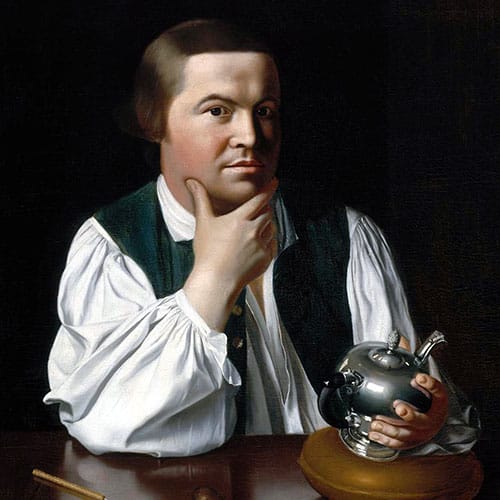
Perhaps most well known for his Midnight Ride, American patriot Paul Revere was also a respected, prosperous silversmith who originally produced silver goods and later expanded his successful business to include iron casting and copper forging.
Revere inherited his father’s silver shop, and after serving in the Seven Years’ War, returned to the shop to begin where his father left off. For years following the war, Revere had to work as a dentist in order to make ends meet, but later in his career he achieved success as a silversmith.
5) Silversmithing was a luxury trade in colonial America.


Silversmiths like Paul Revere were considered artists and sculptors by those outside the trade. Because silver was so highly valued as a precious metal, clients respected the work of smiths and those wealthy enough enjoyed collecting silver pieces for their dinner tables.
6) Colonial silversmiths struggled to compete with the British.


While most major colonial cities had a silversmith shop, many silversmiths found themselves floundering in the competition with British imports. A rare commodity in the colonies, new raw silver proved difficult to acquire and many colonial silversmiths took to peddling old wares or reworking preexisting pieces into new products.
Silversmiths also made ends meet by mending pieces for clients and taking on part time work unrelated to silversmithing, as Paul Revere chose to do.
7) The colonial silversmithing industry of North Carolina grew faster than other colonies.

As previously mentioned, many colonial silversmiths struggled to sell their wares in the years following the Seven Years’ War. Those living in North Carolina proved a little more lucky than northern smiths, however, due to the geography of the colony.
The silversmithing industry in North Carolina grew because of the demand for silver by its citizens and the lack of British competition.
The poor coastal harbors of North Carolina prevented large trading ships to land and sell goods from England and elsewhere in Europe. However, small schooners from the northern colonies navigated the shoreline better, and enabled trade between colonies instead of between the colonies and England.
8) Native American silversmithing transformed the jewelry industry.
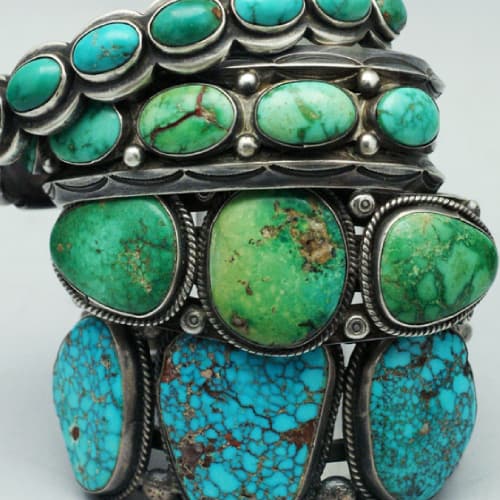

Southwestern Native Americans like the Navajo, Zuni, and Hopi peoples learned silversmithing from Mexican artisans in the late 19th and early 20th centuries. The iconic silver and turquoise jewelry synonymous with the region was born out of a trading of skills and creativity.
The Navajo first used turquoise in their silver pieces in the 1880s and sold jewelry to other Native peoples within region. By 1900, Native people began selling to those outside their communities and commercial consumption of the turquoise and silver pieces expanded as tourists visited the Southwest.
good information but please make it more presentable but other then that thank you