

List of Lampworking & Flameworking Tools, Supplies & Equipment
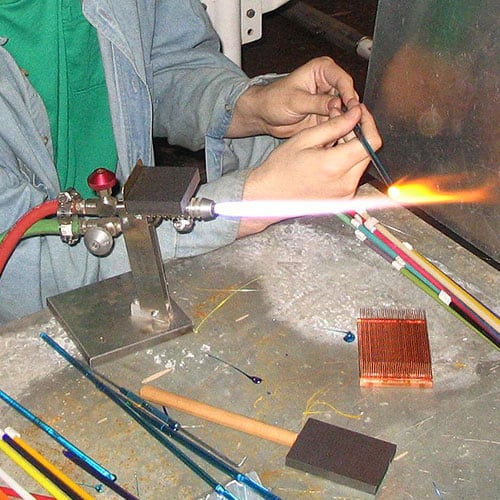
Lampworking is a glassworking method that involves the use of a lamp or torch to melt glass in order to form it into a different shape. Lampworking is often referred to as torchworking or flameworking depending on the vessel applying heat to the glass. Despite the nuances of this nomenclature, these terms for glassworking methods are often used interchangeably.
The tools used to shape and form the glass being worked can also be common to both of the above-mentioned glassworking methods due to similarities in their application. There are many types of lampworking and flameworking projects that hobbyists and professionals create, so the tools needed to complete these projects are a very important part of these trades.
The following list describes the common and essential tools used in lampworking and flameworking alike.
Complete list of Lampworking & Flameworking Tools
1) Bench Burner
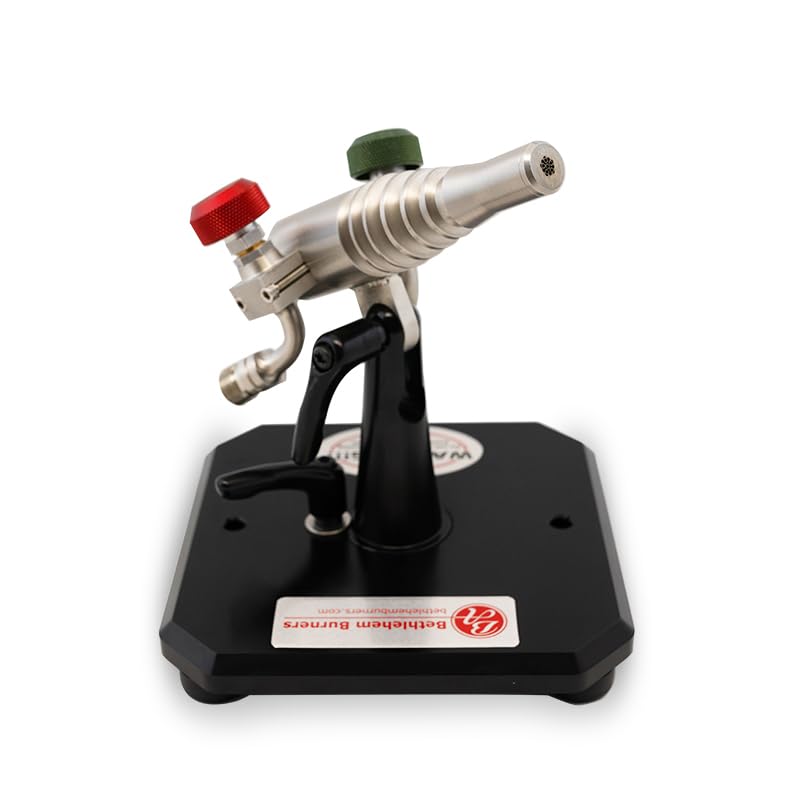
- All stainless steel construction
- Stays cool while the flame is super hot.
- A unique design that allows for a higher volume of fuel at a lower inlet pressure- 7 cu. ft./hr. at...
A bench burner is an important piece of equipment needed for those who would like to melt glass using a stationary torch. This torch gives the glassworker the freedom to form the glass with both hands since the flame of the torch is held at a fixed location. It can be easily attached to a workbench to give greater flexibility to the glassworker.
2) Hand Torch
Although a bench burner allows the glassworker to use other tools while shaping the glass, a hand torch can also be a very effective way to heat specific areas of the glass being worked or when the glass is in a fixed position. The ease of use of hand torches make the investment worth it and many glassworkers tend to have both kinds of torches to increase the variability in their projects.
3) Kiln

- Quick Melting: Designed to melt up to 120 troy ounces of gold in only 8 to 10 minutes!
- Maximum Temperature of 2200°F. 120 Volt Power.
- Melts gold, silver, lead, copper, zinc, precious metal clay, ceramics, and more.
A kiln is a piece of equipment that is meant to house the glass being worked. This object acts like a furnace or oven and serves an important purpose in the annealing process for glasswork. The annealing process involves slowly cooling the glass workpiece to room temperature in a controlled manner, so it prevents the finished glass product from having too much strain.
4) Marver
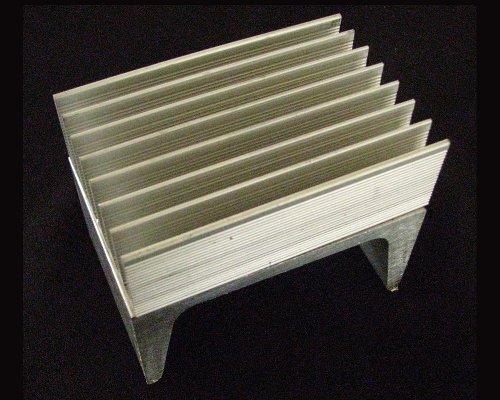
- Devardi Glass Lampwork Grooved Aluminum Marving Pad
- 2 - 3/8 inch long x 1 - 3/4 inch wide. Each aluminum fin is 3/16 inch (5mm) apart.
- Makes beautiful beads in seconds.
A marver acts as a small work surface for glasswork. This tool is a flat or grooved surface typically made of graphite or polished steel material in order to be able to lay and roll hot glass on it.
Graphite is a common material used for glass or metal working tools because it is extremely stable and resistant to high temperatures. This surface allows glassworkers to shape or roll the glass workpiece along the surface of the graphite work space.
5) Graphite Paddles

- Devardi Glass Lampwork Graphite Marver
- High Quality Graphite Marver.
- 2 X 3 inches, 1/2 inch thick
The end of a paddle is also acts as a marver, but features a handle to be able to easily maneuver its flat, graphite surface around the areas of the workpiece that the glassworker would like to flatten or shape. Graphite paddles are a robust tool that can be used for many different glassworking projects.
6) Reamers
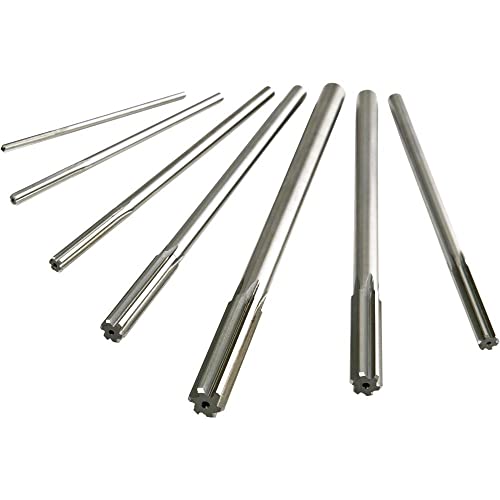
- High Speed Steel (HSS)
- Package dimensions: 5.3" x 8.5" x 1"
- Approximate weight: 1.2 lbs
A reamer is a type of cutting tool that is used to enlarge holes in glass workpieces. They typically have a handle attached to a slim or pointed end that makes it easy to drive through hot glass. Reamers are commonly made of graphite or brass material and are available in different shapes and styles.
7) Graphite Pushes & Rods
No products found.
Graphite pushes and rods are other great tools to use when shaping a glass workpiece. Graphite pushes feature rod-like ends with different cross sectional diameters that allow the glassworker to shape the workpiece by pushing into it or alongside it. The different sizes available can create a variety of effects on the final product.
8) Graphite Molds
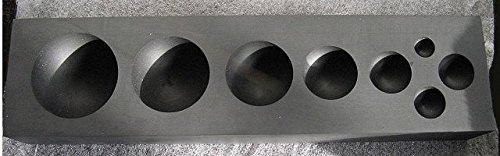
- Devardi Glass Lampwork Graphite 8 Hole Marble/Paperweight Marver
- High Quality Graphite.
- 2, 1-3/4, 1-1/2, 1-1/4, 1, 7/8, 3/4, 1/2 inches. Measures 11 inches x 3 inches x 1.5 inches. Weighs...
Graphite molds are a great way to help shape a glass workpiece. These molds come in different shapes and sizes that can facilitate the shaping and detailing of a variety of glass products since they are already measured and provide a solid template for the workpiece.
9) Blowhose and Swivel
No products found.
A blowhose and swivel are tools common to both lampworking and scientific glassblowing. This fixture allows the glassworker to blow glass through the blowhouse, which is made up of a mouthpiece, a latex hose, and a blowpipe.
The hose is attached to an opening in the glass being worked. The swivel attachment allows it to be rotated in different directions, giving the glassworker more freedom to angle or move the workpiece when shaping it.
10) Tungsten Picks
No products found.
A tungsten pick is a great tool for moving or dragging the glass workpiece across the work surface or to drive a hole through the melted glass. This pick is made of tungsten because it is very resistant to high temperatures, making it ideal for glasswork.
11) Claw Grabbers/Grippers
No products found.
Claw grabbers (or grippers) are useful tools that allow glassworkers to grab onto the glass workpiece and rotate it with ease. These tools are available in different shapes and sizes and can be chosen depending on your specific needs or purposes. Glassworkers typically use claw grabbers during the finishing process of lampworking.
12) Didymium Glasses
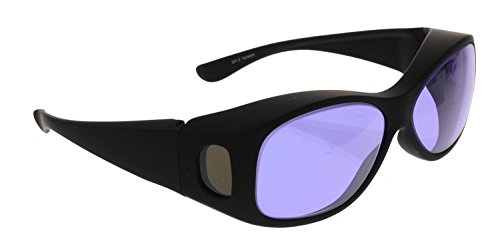
- Excellent sodium flare reduction
- Excellent sodium flare reduction
- Color enhancement features
Glassworkers are exposed to a lot of eye-damaging light when working with heated glass for prolonged periods. In order to mitigate this damage, they use didymium glasses. These glasses filter the harmful light emitted from the glassworking process to shield the eyes from any damage it could have caused if not worn. These glasses are a very important piece of personal protective equipment that all glassworkers should use.
13) Lampworking Gloves
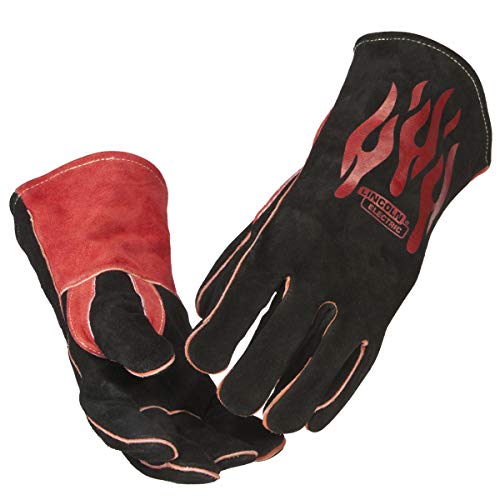
- GREAT HEAT RESISTANCE – Made of a high grade leather and soft cotton liner which is designed to...
- INDUSTRIAL DURABILITY – The glove design features a high grade leather exterior, kevlar threading...
- SUPERIOR COMFORT – The soft cotton hand liner and straight thumb design enhances comfort and...
The glassworking process involves working with molten glass, which can cause serious burns to glassworkers if not protected. These gloves are made up of different materials, so it is wise to choose the glove that would work best in your particular glassworking application. It is important to wear the appropriate gloves when working with hot glass to protect your hands and avoid personal injury.
14) Lampworking Apron
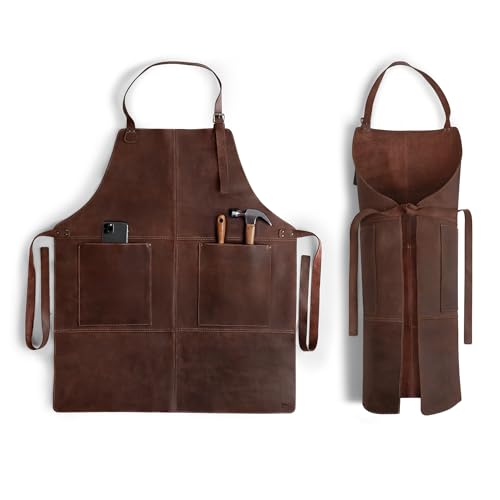
- MULTI-USE APRON: This Durable Leather Apron is the perfect option for those in need of a protective...
- HANDMADE FROM SOFT & ATTRACTIVE FULL GRAIN LEATHER: All of Hide & Drink’s products are hand cut...
- FINELY HAND STITCHED: We are proud that each and every one of our products is handmade by expert...
An apron is another important piece of personal protective equipment that can serve to shield glassworkers from serious burns or injuries when lampworking. Not only can an apron be an effective safety measure, but many aprons have useful pockets or compartments to hold glassworking tools that allow glassworkers to easily reach for the tools they need while glassworking.
15) lathe
Alongside, the glassworking lathe is a very useful piece of equipment for glasswork. This piece of equipment can allow a glassworker to carry out the shaping and forming of glass without having to hold onto the glass workpiece itself. A lathe can hold light to heavy pieces of glass that can be exhausting to hold by hand. Not only can a lathe hold the glass workpiece in a fixed position, but it can also rotate and turn the workpiece into different positions, minimizing human strain and effort. This is a fantastic addition to any glassworking studio.