

10 Common, Important, & Interesting Jobs in the Wild West
Cowboys, sheriffs, and outlaws are the most popular figures of the Wild West. While their roles did contribute to history, several other occupations were essential for life on the frontier.
Different types of jobs existed for various skillsets. Even women could make a living in a few different occupations.

_Dodge_City_in_1878_(14782835852).jpg)
The following are 10 of the most common, important, and interesting jobs in the Wild West. These workers helped shape and settle the American frontier.
1) Cowboy


The cowboy is the most iconic figure of the Wild West. The reality of this job was not as glamorous as Western films would have us believe, however.
The occupation originated in Mexico and the responsibilities of cowboys were to protect and move cattle. Bandits often tried to steal valuable cattle to sell, so cowboys were required to keep the animals safe.
Cowboys were skilled in riding, herding, and roping. They earned between $25 and $40 per month, which equals about $950 to $1500 today.
2) Lawman
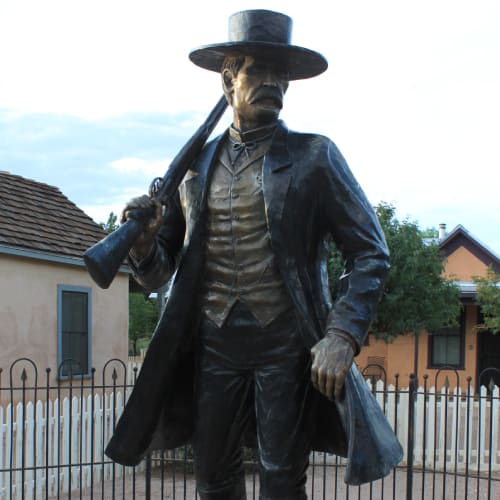

The sheriff is one of the most popular figures of the Wild West. While seen as the arbiters of justice in small towns, many lawmen had shady beginnings as young criminals.
The Civil War produced the Wild West’s gunfighters. After the war, young men came home to few jobs and broken families. Most did not have any skills and turned to gunfighting as a main occupation.
Sheriffs and other lawmen came from this culture of gunfighting.
Several types of lawmen existed in the Wild West. US marshals were appointed by Attorney Generals. Sheriffs were elected by county residents. Marshals were chosen by city council members.
Regardless of how a man became a lawman, he expected little or no pay for his position. He made most of his money from a second job, fines, and bounties.
3) Blacksmith

_(14590424387).jpg)
Blacksmiths were vital to Wild West towns. They had steady and profitable careers crafting and mending hardware, farm equipment, and other necessary items for life on the frontier.
Blacksmiths were in high demand and made between $30 and $200 per day in today’s money. Many were so successful that they hired on apprentices to help out around the forge and learn the trade.
4) Saloon Owner


Saloons were some of the first places built in Wild West towns. They were easy to start up and business was guaranteed as men flocked to saloons after hard days of work.
Saloon owners and bartenders served liquor and lukewarm beer. Owners were in charge of managing gambling, saloon girls, and other forms of entertainment within their establishments.
5) Saloon Girl & Soiled Dove


Few jobs existed for women in the Wild West, and many women resorted to prostitution as a way to earn a living. Prostitutes were called “soiled doves” in the Wild West.
Most soiled doves were widows with few skills, or daughters of prostitutes who grew up familiar with the occupation. Soiled doves made up as much as 25% of the population in some Wild West towns.
They averaged in age from 14-30 and earned $1-$5 per customer. High-class prostitutes could earn as much as $50, but this was rare.
Soiled doves lived in parlor houses that displayed red lights at night. A half dozen to a dozen women lived in the parlor house together.
Many women married after retiring from the prostitute life, while others were married throughout their careers to saloon or brothel owners who appreciated the extra income. Many soiled doves struggled with drug addiction and suicide.
In contrast to the soiled doves of the Wild West, saloon girls entertained saloon patrons with singing, dancing, and conversation. They were rarely prostitutes and were considered “good.” Saloon girls could earn up to $10 per week plus drink commissions.
6) Railroad Laborer


Working on the railroad was one the most labor-intensive jobs in the Wild West. An estimated 4,000 to 14,000 men were needed to complete the construction of the railroad system in the West.
When only a few hundred Americans volunteered to build the railroad, Chinese immigrants were hired on. These laborers laid a staggering 1,700 miles of tracks in the Wild West.
The Chinese workers had different habits from their American counterparts that helped them stay healthier on the job. They drank tea, avoided alcohol, and had a diet rich in vegetables.
As a result, Chinese railroad laborers did not get sick with the diseases that plagued American workers.
7) Teacher


Teaching was a male profession before the Civil War. During and after the war, women filled in for men and took over the occupation.
Teachers could be as young as 15 but they had to remain single during their career. Once married, a woman would move into the home to raise her own children.
Women interested in becoming teachers sat for a certification. They taught between 3 and 45 students ranging from 1st to 8th grade.
Frontier schoolhouses had only one room. The teacher would guide students through memorization, oration, and reading lessons.
Teachers did not live on their own but instead roomed with the family of one of their students.
8) Journalist


We may be tempted to associate journalism with the big cities of the East Coast, but the industry played a huge role in the everyday lives of people on the frontier.
Small Wild West towns supported newspapers, as news from the East was in high demand. Small towns could have several newspapers. Tucson, Arizona had five local newspapers in 1831.
Writers, designers, and printers worked in journalism to produce content for settlers. Unlike newspapers of today, Wild West publications included not only news but also essays on politics, religion, history, gardening, and more.
9) Miner


Miners famously flocked to California during the state’s Gold Rush in the 1840s. Gold miners sought new lives as they sifted for treasure.
Gold mining is perhaps the most well-known type of mining in the Wild West, but other materials like silver, iron, copper, and oil were important to the industry.
Miners helped settle Alaska, Nevada, Colorado, Idaho, Montana, South Dakota, and North Dakota.
Mining was a dangerous occupation and miners were susceptible to diseases like tuberculosis.
10) Banker
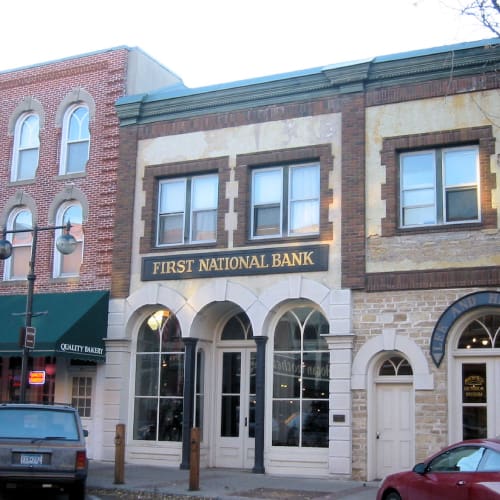

Bankers were important to farmers and other workers on the frontier. Banks popped up as some of the first buildings in new towns.
Bankers worked in banks that were centrally located in town. This protected them from robberies. Townspeople also helped defend their local bank from criminal activity.
Ironically, criminal activity took place within banks anyway. Very few regulations on banking existed in the Wild West so fraud was relatively common.