16 Lesser Known Gods & Goddesses of Norse Mythology [Updated]
Most of us are familiar with major Norse gods and goddesses like Odin, Thor, and Freya. These deities play important roles in Norse mythology as powerful leaders, warriors, and protectors.
Popular books, video games, and shows have kept the mythology of major Norse gods and goddesses alive in recent decades. These gods and goddesses are popular because of their prominent roles in traditional Norse stories.
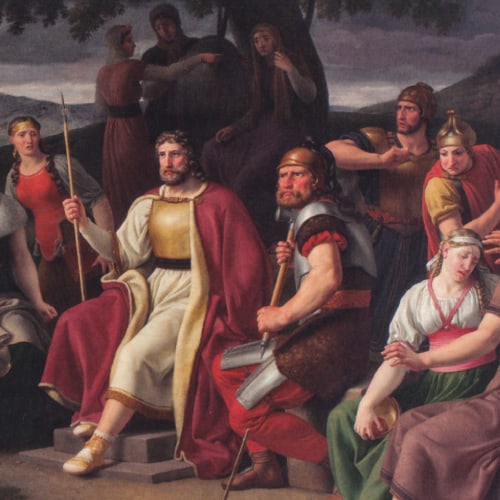

The minor gods and goddesses included in this list are also important to the understanding of Norse mythology. Their characteristics and stories are extremely interesting and reveal much about the history and culture of Norway, Sweden, and Denmark.
The following are 16 lesser-known or obscure gods and goddesses from Norse mythology. These deities are considered “minor” but still play important roles in Norse religion.
1) Honir & Lodur


Honir and Lodur were two of the first gods to accompany Odin. They are credited with creating the first humans in the Voluspa poem.
According to some Norse poetry, Honir gave reason to man. In other stories, Honir is incompetent. He also sometimes acts as a traveling companion of Odin, Loki, and other major Norse gods.
2) Dagr
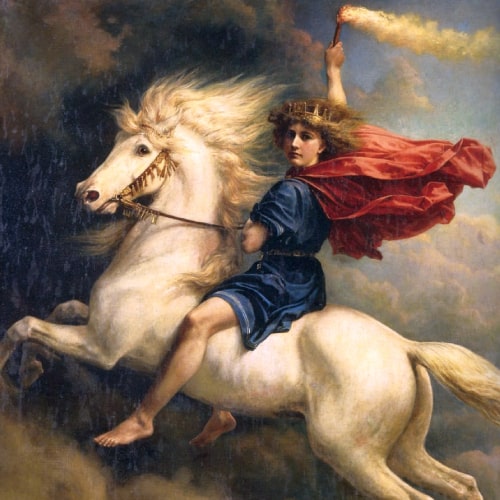

Dagr is the personification of daytime in Norse mythology. He rides a horse to bring sunlight to the world.
Dagr is mentioned in the Poetic Edda and Prose Edda. He is a foundational character in Scandinavian religion.
3) Njördr
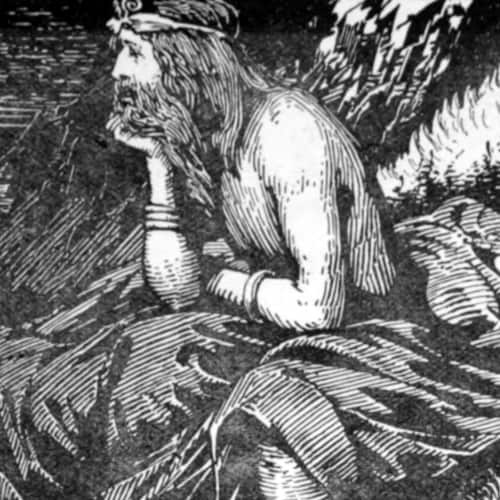

Njördr is the father of Freya and Freyr. He is the Norse god of the wind, sea, and fishing.
These aspects of life were extremely important to the seafaring Vikings and Scandinavian farmers who lived and worked near the ocean.
Although he represents important elements of everyday life for the Norse people, Njördr is considered a minor god. He is mentioned in the Prose Edda and Poetic Edda.
Njördr is one god who survives the events of Ragnarok.
4) Vidar
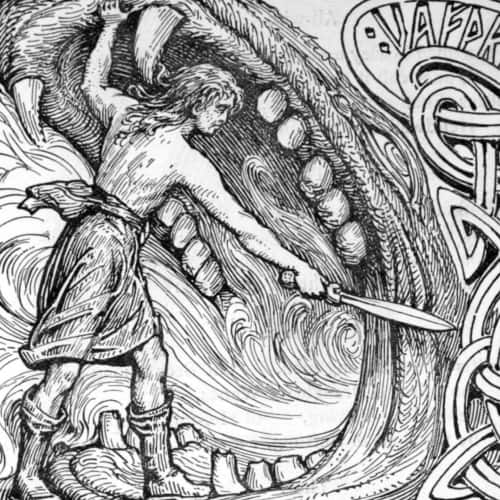

Vidar is a “silent god” and the son of Odin. Vidar represents vengeance in Norse mythology thanks to his actions during Ragnarok. After the death of Odin, Vidar kills the wolf that murdered his father.
He is one of the few gods to survive Ragnarok and is part of the younger generation of Norse gods. His story is included in the Prose Edda.
5) Modi & Magni

_by_M%C3%A5rten_Eskil_Winge.jpg)
Modi and Magni are sons of the very famous god Thor. They represent wrath and might, respectively.
These brothers inherit Thor’s hammer after the events of Ragnarok. They are part of the younger generation of gods who survive these apocalyptic events.
Modi and Magni are antagonists in the popular video game God of War.
6) Forseti


Forseti is the god of justice and lawmaking in Norse mythology. He is the son of Baldr and Nanna. Forseti is wise, elegant, and well-respected by his fellow gods.
He resides in a hall made of silver and gold. He prefers to resolve conflicts through mediation rather than violence.
Forseti was such an influential figure that he became part of the folklore of the Frisia region of the Netherlands. He became the main god of the Frisian people.
7) Frigg
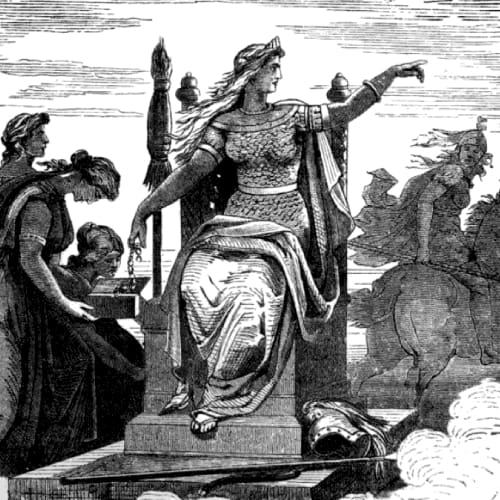

Frigg is the Norse goddess of fertility, marriage, and motherhood. She is the wife of Odin and is the queen of the Norse pantheon.
Frigg commands attendants like Gna and focuses on matters of womanhood.
We get the English word “Friday” from Frigg’s name.
8) Gna
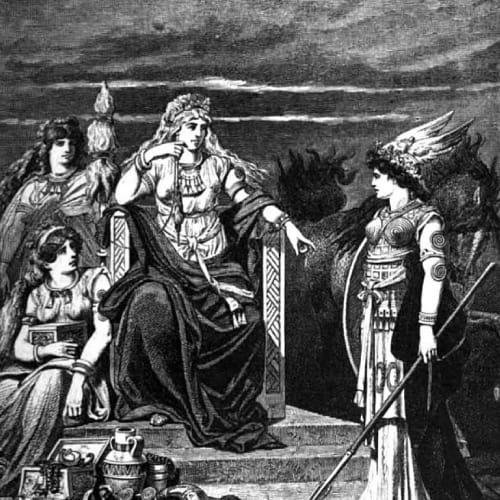

Gna is the main messenger and attendant of the goddess Frigg. She rides a flying horse to travel quickly from place to place.
According to some stories, seeing Gna is an omen of danger.
9) Saga


Saga is a goddess who is associated with a location called the sökkvabekkr, or “sunken bank.” She is mentioned in the Prose Edda and Poetic Edda.
Saga may be another name for Frigg. She is also thought to be the goddess of poetry.
10) Sjöfn
.jpg)
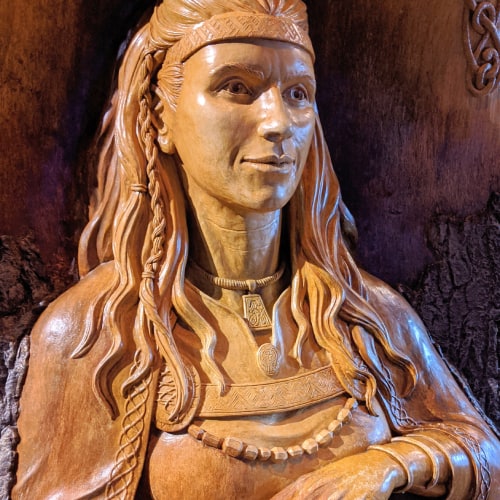
Sjöfn is an obscure goddess of love in Norse mythology. She is mentioned in the Poetic Edda and some Skaldic poetry.
11) Var


Var, another love goddess, specializes in oath making within relationships. She is a protective goddess who takes vengeance on couples who do not keep their promises to each other.
12) Sol
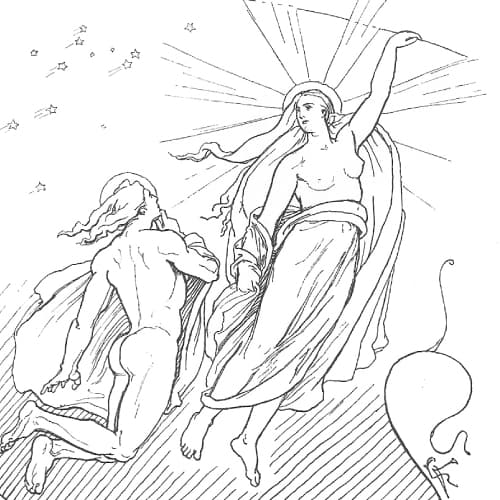

Sol is the female embodiment of the sun in Norse mythology. She is the sister of the Norse moon god and appears in the Prose Edda, Poetic Edda, and several Germanic myths.
Sol is killed by Fenrir the wolf during Ragnarok.
13) Gefion
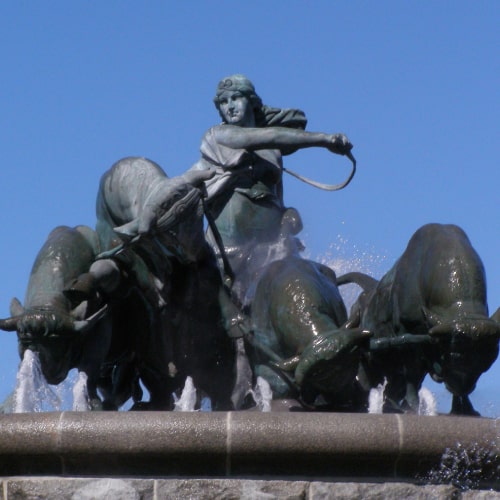

Gefion is the goddess of fertility and plowing. She is a mother figure of Norway, Sweden, and Denmark.
According to folklore, Odin sent Gefion to conquer land. He would give her as much land as she could plow. In response, Gefion quickly gave birth to four sons.
She transformed her sons into giant oxen and used them to plow the land of Norway, Sweden, and Denmark.
14) Sif
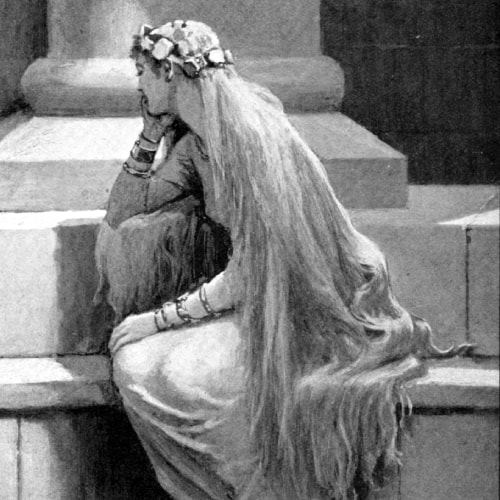

Sif is the wife of Thor and the goddess of beauty. She is known for her long and flowing blonde hair. Loki cuts her precious hair and the elves make her hair of living gold.
15) Sigyn
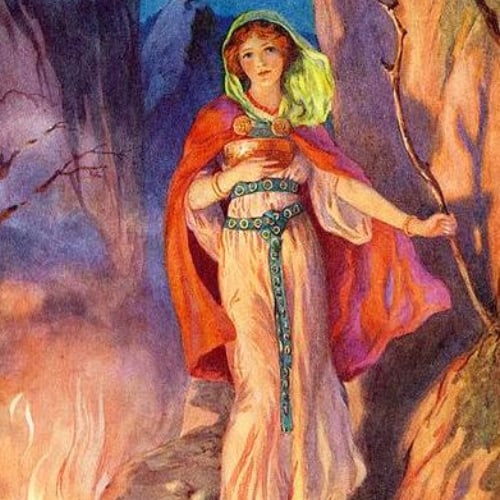

Sigyn is the wife of the mischievous god Loki. She is a patient goddess who represents victory, vigilance, self-sacrifice, and devotion.
16) Nanna

_by_H._W._Bissen.jpg)
Nanna is the mother of Forseti (described above) and the wife of Baldr. She is a devoted wife who dies of grief after her husband is killed.
Nanna lives with her husband in Hel, the Norse underworld.