
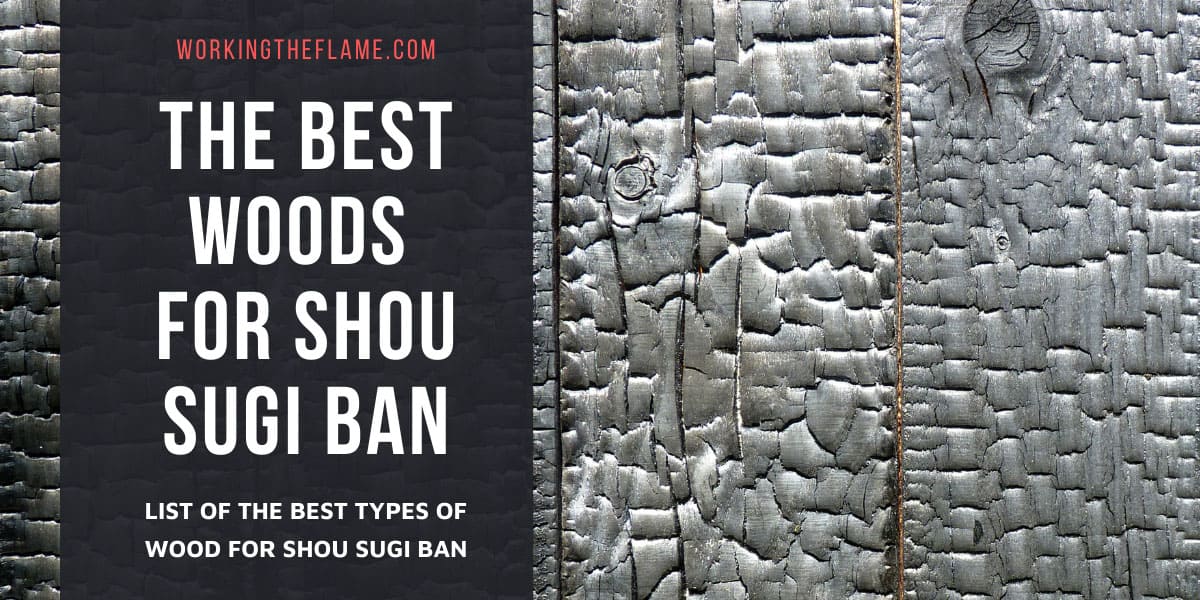
Top 8 Best Wood Types for Shou Sugi Ban & Yakisugi


Shou sugi ban, or yakisugi (焼杉), is the product of a Japanese wood preservation technique that utilizes wood charring. Typically used on cedar, this process creates a blackened, durable wood that is commonly used for siding, fencing, decking, and other exterior purposes.
While cedar is the traditional wood used for shou sugi ban, other types of wood can be charred in the same fashion and yield similar results.
Read on to learn about different types of woods used for shou sugi ban and discover which wood is right for you.
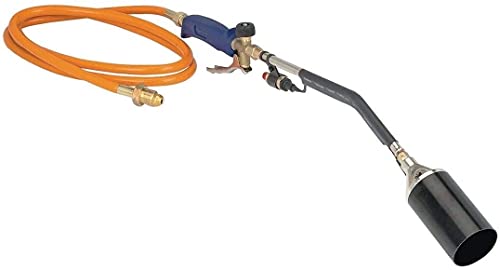
- Wand comes with a flow valve and turbo-blast trigger Designed for use with standard size propane...
- Hose working PSI: 350 lbs. Fitted with a 7/8"-14 TPI, left hand male propane bottle connection Steel...
- Piezo electric ignition for safe, matchless starts Easily attaches to standard 20 lb. propane (LP...
1) Accoya
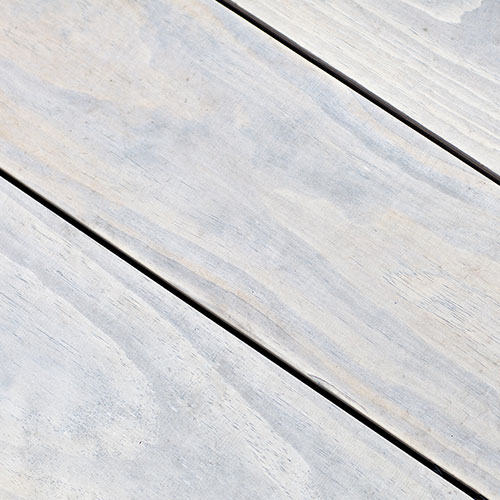

Accoya is pine wood that has undergone a process called acetylation, which strengthens the wood and makes it extremely rot-resistant. This initial durability is only heightened when accoya is turned into shou sugi ban through the charring process.
According to manufacturers, accoya can last up to 50 years before any further treatments are applied. The shou sugi ban process will extend the life of the wood and give the wood additional beauty.
Because it is a newer product, accoya is more expensive than other woods on this list. However, the durability of the wood means you likely will not be replacing it often, and will save you money overall.
If you’re looking for a wood that will withstand the elements for years to come, accoya is a wood you should consider. To see the results of accoya shou sugi ban, we’ve provided a video example below:

2) Cedar
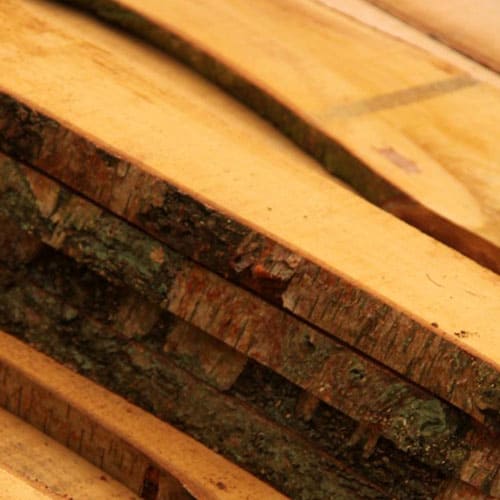
As the traditional wood used for shou sugi ban, cedar is a solid choice for any exterior project. This hardwood withstands the rain, insects, and temperature changes, and looks beautiful when charred.
The chemical properties of cedar work well with shou sugi ban firing techniques, so you can be sure to have an appealing finished product when choosing cedar.

3) Pine
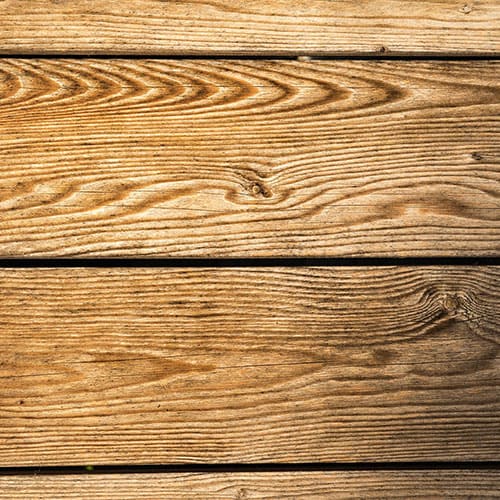
Pine is a less common choice of wood for shou sugi ban, but it is a versatile softwood that withstands the firing process and looks nice when charred. Shou sugi ban pine looks more dramatic than other types of wood. The robust grains of pine wood really stand out after charring.
Because the shou sugi ban technique makes wood stronger, siding, planks, and fencing made from charred pine will last far longer than their counterparts.
Pine is easy to find in local lumber yards, and is a familiar type of wood for most people, so it is a less intimidating option than others listed here.

4) Siberian Larch
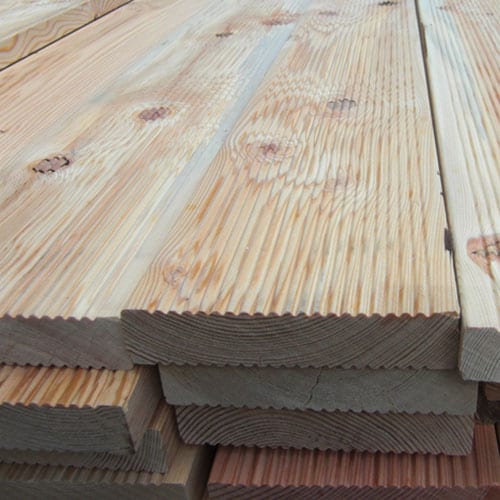
Native to Russia and Finland, the Siberian larch is a hardy tree that can withstand harsh northern European winters. Its wood is therefore a great option for exterior projects because it does well under temperature changes and any type of weather.
This wood also possesses more depth and texture than other types, which can look really distinctive on residential siding. Check out the video below to see Siberian larch being charred.
Depending on where you live, it may be tricky to find Siberian larch or shou sugi ban products using Siberian larch.

5) Spruce
.JPG)
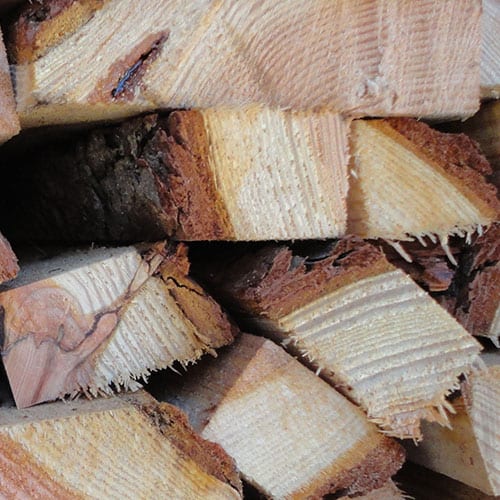
Like pine, spruce is a common, more affordable option for shou sugi ban. This wood is lightweight, durable, and easy to find in Europe and North America. There are several major companies offering shou sugi ban treatments on spruce for reasonable prices.
Shou sugi ban spruce wood has really defined graining patterns as shown in the example video below.

6) Oak

Oak is a common hardwood in North America, making it an affordable and easy-to-find option for those wanting to purchase shou sugi ban for their home. While not traditionally used for shou sugi ban, hardwoods do have a unique finish from softwoods that you may want to consider.
Charred oak has a long and interesting history. Charred oak is what gives bourbon its signature taste, and a similar charring process is used to create shou sugi ban oak.
Major companies in America and elsewhere offer oak shou sugi ban for its durability, weight, and timeless look. Oak’s delicate wood grains really pop after the charring process and the wood looks good in a range of colors.

7) Maple

Maple is another hardwood that is sometimes used for shou sugi ban products. Softwoods are traditionally used in the charring process, but maple can be a good alternative in some instances.
Maple is prone to splitting and warping in extreme weather conditions, and the charring process is little help in these cases. If you want to use maple for shou sugi ban, consider using it only inside the home where the temperature is stable.
The grains of maple are also very subtle when charred, with the finished outcome looking very uniform. If you want your shou sugi ban to look less dramatic, the fine texture of maple might be a good choice. Otherwise, some of the other woods on this list will be better options.
httpv://www.youtube.com/watch?v= L6M1LzqCHms&ab_channel=InspireWoodcraft8) Hemlock

Hemlock is a softwood that is characterized by its strength, straight grains, and lack of resin. Two species of hemlock exist in North America: Western or Pacific, and Eastern. Western hemlock is generally considered more appropriate for use in woodworking and shou sugi ban.
Western hemlock is widely available across most of the United States thanks to logging operations on the west coast. If you live on the east coast, hemlock will be harder to come by and will likely be more expensive as a result.
Hemlock is a great choice for shou sugi ban if you want to use a unique wood that looks good and performs well.
Which Shou Sugi Ban Wood Is Right for You?
While cedar is the traditional type of wood used for shou sugi ban, other woods work just as well. Each gains strength and durability from the charring process, so regardless of the wood you choose, you have peace of mind that the wood will last for years to come.
What is the Most Durable Wood for Shou Sugi Ban?


For those prioritizing durability, accoya or Siberian larch is the best choice. The chemical process of creating accoya coupled with the charring process used to make shou sugi ban makes this wood incredibly strong.
Siberian larch trees thrive in extreme weather, so their wood makes great siding and decking for houses in northern, snowy regions. A downside to these types is that they may be more expensive and harder to get your hands on, but their durability means you will only have to purchase them once.
What is the Most Affordable Wood For Shou Sugi Ban?
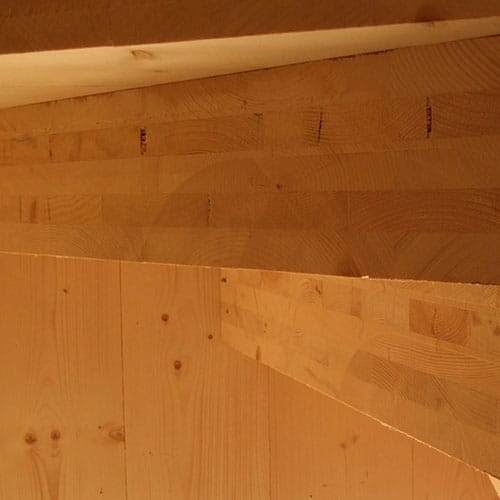
For those looking for an affordable wood that is convenient to find locally, spruce and pine are the best options. These woods take to the charring process well, and gain a great deal of weather resistance and strength.
The grain pattern of these woods really stands out when used for shou sugi ban, so depending on your preferences they may be too distinct for some projects. Other woods have subtler results and may work better for you.
What Is the Best All-Rounder Wood For Shou Sugi Ban?
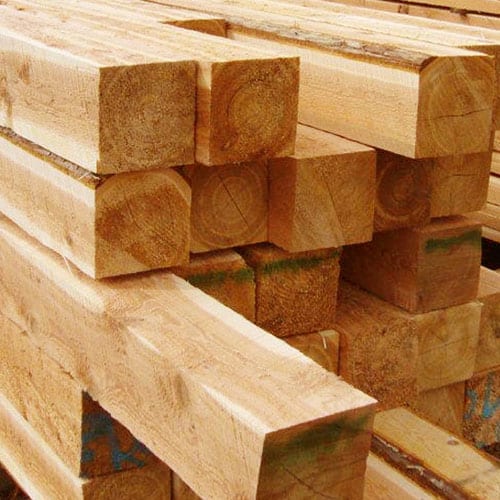

Finally, the best overall choice of wood for shou sugi ban is cedar. This is the traditional wood used in the charring process, and the results are best when using cedar due to its special chemical properties.
This wood is versatile and most commonly used by companies who sell shou sugi ban projects, so it is easy to find and is more affordable than some other options.
Hi i am interested in doing this technique to my fence. I live in the philadelphia are and wondered what wood to use for a less grain silvery look? thank you kristin
Very interesting. How does redwood compare?
Will pressure treated yellow pine toxins still leak into soil after the shou Sugi ban process? Pressure treated vs kiln dried.
Shou Sugi Ban makes the wood waterproof; I would think that there would be minimal leaching as the toxins would be locked into the wood. I wouldn’t want to breathe the air during the burn process though – be careful!
due ti the chemicals used in PT woods it should never be used as a fuel wood and, by default, never be used in shop Shou sugi ban or Yakasugi. The chemicals released during the burning process are very toxic.
I’d like to do some Dec boards using this method. Is pressure treated pine an option?